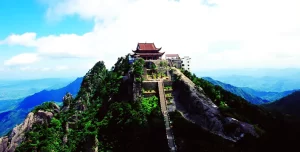
Mount Jiuhua, located in Anhui Province, is one of China’s most famous Buddhist mountains and a revered site for both pilgrims and travelers. Known for its stunning natural beauty, rich cultural heritage, and spiritual significance, Mount Jiuhua is a perfect blend of tranquility and adventure. This mountain is part of the Four Sacred Buddhist Mountains of China, offering a unique cultural experience alongside breathtaking scenery. Whether you’re a nature enthusiast, history buff, or looking for a spiritual retreat, Mount Jiuhua promises to leave a lasting impression. This travel guide provides essential information to help you plan your journey to this scenic and sacred destination.
Essential Information
- Location: Mount Jiuhua is located in the southern part of Anhui Province, about 130 kilometers from Chizhou city and around 300 kilometers from Hefei, the provincial capital.
- Best Time to Visit: The best times to visit Mount Jiuhua are in spring (March to May) and autumn (September to November) when the weather is mild and comfortable for hiking. Summer can be hot, while winter brings cold weather with the possibility of snowfall, which adds to the scenic beauty but requires warmer clothing.
- Language: Mandarin Chinese is the official language. English may not be widely spoken in remote areas, so it’s helpful to learn a few basic Mandarin phrases or use a translation app.
- Currency: The local currency is the Chinese Yuan (CNY). While larger hotels and restaurants accept credit cards, cash and mobile payments like WeChat Pay and Alipay are more commonly used.
- Time Zone: Mount Jiuhua follows China Standard Time (GMT+8).
Interesting Facts about Mount Jiuhua
- Buddhist Significance: Mount Jiuhua is one of the Four Sacred Buddhist Mountains of China, revered for its association with Ksitigarbha Bodhisattva. It is said that the Bodhisattva resides here to help guide souls through the afterlife. Pilgrims from all over China visit this sacred mountain to pay respects.
- Temple Complex: The mountain is home to more than 80 temples and shrines, making it one of China’s largest Buddhist temple complexes. Among these, Jiuhua Mountain Temple is the most famous and historically significant.
- Legendary Landscape: The mountain’s landscape is filled with unique rock formations, tranquil valleys, and ancient trees, earning it a reputation as one of the most beautiful spots in China.
How to Get There
- By Air: The nearest airport to Mount Jiuhua is Huangshan Tunxi International Airport (TXN), about 2 hours away by car. Alternatively, you can fly into Chizhou Jiuhuashan Airport (JHS), located around 35 kilometers from the mountain.
- By Train: Mount Jiuhua is accessible from Chizhou Railway Station, with regular train services connecting it to cities like Hefei and Shanghai. From the train station, you can take a bus or taxi to the mountain.
- By Bus: Chizhou Bus Station is a key transit point with frequent buses to Jiuhua Mountain. The journey takes approximately 1 to 1.5 hours.
- By Car: Renting a car or hiring a driver is another convenient option, especially if you’re traveling with a group. The mountain is about a 5-hour drive from Shanghai and a 2.5-hour drive from Hefei.
Best Things to Do in Mount Jiuhua
- Explore the Jiuhua Mountain Temple Complex: The Jiuhua Mountain Temple is the most famous and significant temple on the mountain. It is a must-visit for those interested in Buddhist culture, architecture, and history. Don’t miss the chance to view the Ksitigarbha Statue inside the temple.
- Hike to the Peaks: For nature lovers and adventure seekers, hiking is one of the best ways to explore Mount Jiuhua. The Jiangjun Peak and Fayun Peak offer panoramic views of the surrounding landscape. The hikes can be challenging but rewarding, especially with mist-covered valleys and ancient temples along the way.
- Visit the Ksitigarbha Bodhisattva Statue: The Ksitigarbha Statue at Jiuhua Mountain Temple is one of the tallest statues of the Bodhisattva in China. It is a central figure of worship and attracts both pilgrims and visitors.
- Explore the Buddhist Caves: Mount Jiuhua is home to several Buddhist caves that contain ancient inscriptions, statues, and murals. The Tianzhu Cave and Guanyin Cave are popular places to explore, offering a glimpse into the spiritual history of the region.
- Relax at the Hot Springs: After a day of hiking, unwind at the Jiuhua Hot Springs. These natural hot springs are believed to have therapeutic properties, offering a relaxing and rejuvenating experience.
- Visit the Jiuhua Mountain Museum: Learn more about the history of the mountain, its significance in Chinese Buddhism, and the diverse flora and fauna of the region at the Jiuhua Mountain Museum.
- Take the Cable Car: For those who prefer not to hike, the Jiuhua Cable Car offers a scenic ride up the mountain, providing stunning views of the peaks and valleys.
Best Accommodation Options
- Jiuhua Mountain Hotel: Located near the mountain’s entrance, Jiuhua Mountain Hotel offers comfortable accommodations with a beautiful view of the mountain. It’s a great option for those seeking both convenience and tranquility.
- Jiuhua Mountain Scenic Area Resorts: These resorts are located within the scenic area, offering easy access to hiking trails, temples, and natural attractions. The resorts provide a peaceful retreat with modern amenities and Buddhist-inspired décor.
- Monastery Guesthouses: For a unique spiritual experience, stay at one of the monastery guesthouses. These guesthouses provide simple and budget-friendly accommodations with a chance to experience the monastic lifestyle.
- Tunxi Hotels: If you prefer to stay in a nearby town, Tunxi offers several hotels and guesthouses. The town is about a 2-hour drive from Jiuhua Mountain, and staying here can be a more affordable option.
- Boutique Hotels: Jiuhua Boutique Hotel is a stylish and comfortable option in the town of Chizhou, offering a blend of modern amenities and traditional Anhui architecture.
Good Attractions around Mount Jiuhua
- Fenghuangshan Scenic Area: A short drive from Mount Jiuhua, Fenghuangshan is a beautiful nature reserve with picturesque lakes, waterfalls, and hiking trails. It’s a perfect spot for outdoor activities like boating, photography, and hiking.
- Xixiang Miao (Xixiang Temple): Located near Jiuhua, Xixiang Miao is a peaceful temple that offers an escape from the crowds. It’s an ideal location for spiritual reflection and enjoying quiet nature walks.
- Jiuhua Ancient Street: Explore Jiuhua Ancient Street in the town of Jiuhua for a taste of local culture. The street is lined with traditional shops selling local handicrafts, souvenirs, and snacks.
Getting Around Mount Jiuhua
- Walking and Hiking: Walking and hiking are the best ways to explore Mount Jiuhua. The mountain features well-maintained paths, and most attractions are connected by walking routes. Hiking trails range in difficulty, from easy paths to more challenging routes that take you to the mountain peaks.
- Cable Cars: The Jiuhua Cable Car offers a convenient way to reach higher altitudes. It operates between key points on the mountain and provides panoramic views of the area.
- Shuttle Buses: Inside the scenic area, shuttle buses are available to transport visitors between major attractions. This is a good option if you want to save time and energy during your visit.
- Taxis and Bicycles: Taxis and bicycle rentals are available in nearby towns like Chizhou and Tunxi, though these are less commonly used on the mountain itself.
Day Trips from Mount Jiuhua
- Huangshan (Yellow Mountain): Take a day trip to Huangshan, one of China’s most famous mountains, known for its spectacular granite peaks, ancient pine trees, and fog-covered valleys. It’s about a 3-4 hour drive from Jiuhua Mountain.
- Hongcun Village: Visit Hongcun, a UNESCO World Heritage Site, known for its ancient architecture and picturesque streets. The village is around 2-3 hours from Jiuhua and offers a unique glimpse into traditional Chinese rural life.
- Chizhou City: Explore Chizhou, the nearest city to Mount Jiuhua. Known for its rich history, Chizhou has several cultural sites, including ancient temples, parks, and traditional markets.
Practical Tips for Visiting Mount Jiuhua
- Wear Comfortable Shoes: Bring comfortable, sturdy shoes for hiking, as the terrain can be rocky and uneven.
- Pack Light: Due to the nature of the mountain, it’s recommended to pack lightly, especially if you plan to hike. Consider bringing a small backpack with essentials such as water, snacks, sunscreen, and a camera.
- Respect Local Customs: As a Buddhist site, Mount Jiuhua is sacred to many pilgrims. Be respectful when visiting temples and interacting with local monks and worshippers.
- Weather Preparedness: The weather can change quickly on the mountain, so bring layers of clothing, especially if you plan to hike to higher altitudes.
- Start Early: If you plan to hike, start early in the morning to avoid crowds and enjoy the cooler temperatures.
Conclusion
Mount Jiuhua is an enchanting destination that offers a unique combination of spiritual significance, natural beauty, and cultural experiences. Whether you are looking to explore ancient Buddhist temples, enjoy breathtaking views, or simply relax in a peaceful environment, Mount Jiuhua has something for everyone. Plan your visit today and discover the magic of this sacred mountain in Anhui Province!