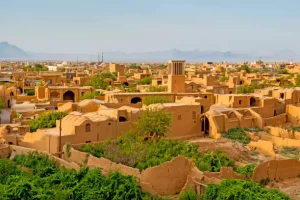
Yazd, one of Iran’s oldest cities, offers an unforgettable experience with its ancient mud-brick architecture, rich history, and fascinating desert landscape. Known for its well-preserved Islamic architecture, this place is also the center of Zoroastrianism, with important religious sites, including the Towers of Silence and the Fire Temple. This city, nestled in the heart of Iran’s central plateau, will captivate you with its unique charm, making it a must-visit destination.
Essential Information
- Country: Iran
- Time Zone: Iran Standard Time (UTC+3:30)
- Currency: Iranian Rial (IRR)
- Language: Persian (Farsi), though some English is spoken in tourist areas.
- Visa Requirements: Most visitors require a visa to enter Iran. Make sure to check visa regulations for your country before traveling.
- Weather: Yazd has a hot desert climate, with scorching summers and mild winters. The best time to visit is during the spring (March–May) or autumn (September–November) when the weather is cooler.
Interesting Facts About Yazd
- Zoroastrian Heartland: Yazd is considered the center of Zoroastrianism, one of the world’s oldest monotheistic religions.
- UNESCO Heritage Site: Yazd’s historic center, including its ancient buildings and winding alleyways, is a UNESCO World Heritage Site.
- Wind Towers: The city is famous for its badgirs (wind towers), a traditional Persian air-conditioning system, which were ingeniously designed to cool the homes and buildings in the desert climate.
- Ancient Architecture: Yazd’s mud-brick buildings and narrow alleys have preserved the city’s ancient Persian character for centuries.
How to Get There
- By Air:
- By Train:
- By Road:
Best Things to Do in Yazd
- Amir Chakhmaq Complex – A stunning architectural masterpiece, this mosque and complex is a symbol of Yazd, famous for its grand iwan (arched entrance) and the stunning central courtyard.
- Jameh Mosque of Yazd – Known for its intricate tilework and towering minarets, this mosque is one of the oldest and most important religious sites in the city.
- Towers of Silence – These ancient Zoroastrian burial grounds offer breathtaking views of the desert. The towers were once used for the exposure of the deceased to scavenger birds.
- Yazd Water Museum – This museum gives insight into the ancient qanat (underground water channel) system, which was essential for survival in the desert regions.
- Zoroastrian Fire Temple – A sacred site for Zoroastrians, the Fire Temple houses a continuously burning flame that has been alight for centuries.
- Yazd Old Town – Wander through Yazd’s labyrinth of narrow, mud-brick alleyways, and enjoy the ancient atmosphere. Don’t miss the Bazar of Yazd for traditional shopping.
- Dowlat Abad Garden – A Persian garden famous for its central pavilion and towering wind tower, showcasing the brilliance of Persian garden design.
- Bagh-e-Laleh – A beautiful desert garden with palms and water features, providing an oasis-like escape from the heat.
- The Silk Road Caravanserais – These historic roadside inns were built for merchants and travelers on the ancient Silk Road, and many are still in use today.
Best Accommodation Options in Yazd
Luxury Hotels
- Moshir al-Mamalek Garden Hotel – A beautifully restored traditional caravanserai, offering luxurious rooms, a tranquil garden, and a sense of history.
- Laleh Yazd Hotel – A modern hotel with excellent amenities, including an outdoor pool and views of the desert.
- Dad Hotel Yazd – An elegant hotel located in a historic building, with traditional Persian-style décor and a rooftop offering panoramic views of the city.
Mid-Range Hotels
- Khayyam Hotel – A centrally located hotel with comfortable rooms, a friendly atmosphere, and great value for money.
- Safaiyeh Hotel – Offering a mix of modern facilities and traditional Iranian hospitality, this hotel is a good choice for tourists.
Budget Hotels & Hostels
- Silk Road Hotel – A budget-friendly, comfortable hotel located in the heart of Yazd.
- Yazd Hostel – Ideal for backpackers, offering affordable dormitory-style rooms in a central location.
Cultural and Modern Attractions
- Yazd Atash Behram – A Zoroastrian fire temple where the sacred fire is maintained, and you can learn more about the religion’s deep roots in the city.
- Shahzadeh Garden – An impressive historical garden that features a mix of ancient Persian architecture and horticultural design.
- The Yazd Art Gallery – Featuring modern Iranian art and traditional handicrafts, this gallery showcases a variety of contemporary works.
- Yazd Museum of Contemporary Art – A great place to explore modern Iranian art and culture.
Dining and Nightlife in Yazd
Traditional Persian Restaurants
- Traditional Restaurant Yazd – A beautiful, traditional restaurant where you can enjoy authentic Persian dishes like Kebab and Fesenjan.
- Shahrzad Restaurant – Offering classic Persian dishes and a cozy, family-friendly atmosphere.
- Laleh Yazd Restaurant – Known for its delicious Fried Eggplant Stew (Khoresht-e Bademjan) and other regional specialties.
Modern Cafes and Dining
- Café 75 – A modern café offering coffee, desserts, and light meals in a chic, comfortable setting.
- Noble Café – A popular spot for drinks, snacks, and light bites with a relaxed vibe.
Nightlife
Yazd is a more traditional city, and nightlife options are limited due to Islamic regulations, but there are plenty of cozy tea houses, cafes, and evening strolls in the city’s ancient neighborhoods to enjoy after dark.
Day Trips from Yazd
- Kharanaq Village – A picturesque, abandoned village surrounded by desert, known for its ancient mud-brick structures and a glimpse into Iran’s past.
- Chak Chak – A sacred Zoroastrian pilgrimage site set in the mountains, famous for its beautiful surroundings and the continuous flow of water from the mountainside.
- Meybod – A town located 50 km from Yazd, known for its ancient caravanserais, ice houses, and the Narin Castle.
- Pasargadae – A historical site located about 100 km from Yazd, featuring the tomb of Cyrus the Great and remnants of the ancient Achaemenid Empire.
Getting Around in Yazd
- Walking: Yazd is a walkable city, especially its historic center, where many attractions are located within walking distance of each other.
- Taxis & Ride-Hailing Apps: Taxis are available throughout the city, and Snapp and Tap30 are popular ride-hailing apps.
- Bicycles: Renting a bicycle is a great way to explore the city’s quieter streets and enjoy the warm desert breeze.
- Public Transport: City has a limited bus system, but it’s best to use taxis or walking for sightseeing.
Practical Tips for Visiting Yazd
- Dress Code: Iran requires modest clothing. Women should wear a headscarf, and both men and women should avoid wearing revealing clothes in public.
- Currency Exchange: Iran’s currency (Iranian Rial) is used widely, and it’s better to exchange cash at currency exchange offices. Credit cards are not accepted in most places.
- Water: Due to the desert climate, it’s essential to stay hydrated. Always carry bottled water, especially when exploring the desert areas.
- Cultural Sensitivity: Yazd is a conservative city, so dress modestly and respect local customs. Always ask before taking photos in religious sites.
- Time Zone: Iran is 3.5 hours ahead of UTC, so adjust your schedule accordingly.
Conclusion
Yazd offers a captivating mix of ancient Persian architecture, rich cultural heritage, and natural beauty. From the historical Zoroastrian temples and the magnificent Amir Chakhmaq Complex to the peaceful desert landscapes surrounding the city, city invites you to explore its unique charm. Whether you’re a history enthusiast, an architecture lover, or a traveler seeking a deeper connection with Iranian culture, Yazd is a destination you won’t forget.
Plan your visit to Yazd, and get ready for an unforgettable experience that takes you back in time, blending history and the beauty of the Iranian desert.