Essential Information
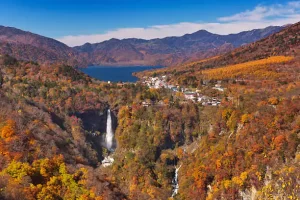
Nikko National Park is one of Japan’s most beautiful and historically rich natural areas, located in Tochigi Prefecture, just a couple of hours from Tokyo. It is famous for UNESCO-listed temples, stunning autumn foliage, picturesque waterfalls, and volcanic hot springs. Whether you’re a nature lover, history enthusiast, or adventure seeker, Nikko National Park offers an unforgettable experience.
- Location: Tochigi, Gunma, and Fukushima Prefectures, Japan
- Established: 1934
- Best Time to Visit:
- Spring (April–June) – Cherry blossoms and pleasant weather.
- Summer (July–September) – Best for hiking, waterfalls, and escaping Tokyo’s heat.
- Autumn (October–November) – Spectacular fall foliage.
- Winter (December–March) – Perfect for snow-covered temples and onsens.
Interesting Facts About Nikko National Park
- Nikko’s shrines and temples have been recognized as a UNESCO World Heritage Site since 1999.
- Toshogu Shrine is the final resting place of Tokugawa Ieyasu, the founder of the Tokugawa Shogunate.
- Lake Chuzenji was formed by a volcanic eruption over 20,000 years ago.
- The famous Three Wise Monkeys (“See no evil, hear no evil, speak no evil”) carving originated here.
- Nikko National Park is home to wild Japanese macaques, deer, and black bears.
How to Get to Nikko National Park
From Tokyo
- By Train (Fastest & Most Convenient)
- Tobu Limited Express “Revaty Kegon” – Direct from Asakusa Station to Tobu-Nikko Station (2 hours).
- JR Tohoku Shinkansen – From Tokyo or Ueno Station to Utsunomiya Station, then transfer to the JR Nikko Line (total ~2 hours).
- By Bus
- Tobu Bus operates from Shinjuku Station to Nikko Station (~2.5 hours).
- By Car
- Driving from Tokyo takes around 2.5–3 hours via the Tohoku Expressway.
Best Things to Do in Nikko National Park
1. Visit Toshogu Shrine – The Jewel of Nikko
- Japan’s most elaborate Shinto shrine, dedicated to Tokugawa Ieyasu.
- Famous for intricate carvings, gold-leaf decorations, and historical significance.
- Don’t miss the Three Wise Monkeys and the Sleeping Cat carvings.
2. Explore Lake Chuzenji and Kegon Falls
- Lake Chuzenji is a serene mountain lake at 1,269m elevation, offering boating and lakeside walks.
- Kegon Falls, one of Japan’s top three waterfalls, drops 97 meters into a scenic gorge.
- Best visited in autumn for spectacular foliage views.
3. Hike Through Senjogahara Marshland
- One of Nikko’s best hiking trails, offering panoramic views, rare flora, and abundant wildlife.
- A 5 km scenic walk, perfect for nature photographers and birdwatchers.
4. Experience Nikko’s Onsen Towns
- Kinugawa Onsen – A famous hot spring resort town with open-air baths.
- Yumoto Onsen – A quieter area surrounded by steam-filled volcanic landscapes.
5. Visit Ryuzu Falls (Dragon’s Head Waterfall)
- A beautiful two-tiered waterfall, especially stunning during the autumn foliage season.
6. Discover Edo Wonderland
- A historical theme park where visitors can experience samurai battles, ninja performances, and Edo-period street life.
Best Accommodation Options
Luxury Ryokan & Resorts
- Nikko Kanaya Hotel – Japan’s oldest resort hotel, offering classic charm and stunning mountain views.
- Hoshino Resorts KAI Nikko – A luxury ryokan with open-air hot springs overlooking Lake Chuzenji.
Mid-Range Hotels
- Nikko Tokanso – A comfortable ryokan with traditional tatami rooms.
- Hotel Shikisai – A peaceful stay near Lake Chuzenji, perfect for nature lovers.
Budget-Friendly Stays
- Nikko Guesthouse Sumica – A cozy, affordable guesthouse near Nikko Station.
- Nikko Park Lodge Tobu Station – Great for budget travelers exploring the area by train.
Good Attractions Nearby
1. Kanmangafuchi Abyss
- A scenic walking trail lined with stone Jizo statues, believed to protect travelers and children.
2. Shinkyo Bridge
- A stunning vermillion-colored bridge and one of Japan’s most beautiful sacred bridges.
3. Nikko Tamozawa Imperial Villa
- A historical imperial retreat showcasing traditional Japanese architecture and gardens.
Getting Around the National Park
- Nikko Pass – A cost-effective pass covering train and bus travel within Nikko.
- Tobu Buses – Connect Tobu-Nikko Station to major attractions like Toshogu Shrine, Lake Chuzenji, and Yumoto Onsen.
- Car Rental – Recommended for flexibility, especially for exploring outer areas like Senjogahara Marshland.
- Walking & Cycling – Great for exploring central Nikko and nearby temples.
Day Trips from Nikko National Park
1. Ashikaga Flower Park (Spring & Fall)
- Famous for its wisteria tunnels, a must-see in April and May.
2. Oze National Park
- A paradise for hikers, with wetlands, wooden walkways, and highland flowers.
3. Fukuroda Falls
- A stunning multi-tiered waterfall, best visited in winter when it freezes over.
Practical Tips for Visiting
- Buy the Nikko All Area Pass – Covers round-trip train fare from Tokyo and unlimited local bus rides.
- Start early – Popular attractions like Toshogu Shrine and Kegon Falls get crowded by midday.
- Dress appropriately – Nikko can be much cooler than Tokyo, especially in autumn and winter.
- Try local specialties:
- Yuba (tofu skin) – A famous vegetarian dish.
- Nikko Soba – Handmade buckwheat noodles.
- Nikko’s traditional sweets – Try Yokan (sweet red bean jelly) and manju (sweet buns).
- Respect temple etiquette – Bow before entering, remove shoes when required, and avoid loud conversations.
Conclusion
Nikko National Park is a perfect blend of cultural heritage and breathtaking nature, offering historic temples, scenic waterfalls, relaxing hot springs, and vibrant seasonal landscapes. Whether you’re exploring Toshogu Shrine, hiking through Senjogahara, or soaking in an onsen, Nikko is a must-visit destination in Japan.
Start planning your adventure to Nikko National Park today! 🍁🏯🌿♨️