
Everything You Need To Know For Finland
Geographical Position And Climate Of Finland
Finland is located in Northern Europe, sharing borders with Sweden to the west, Norway to the north, Russia to the east, and Estonia to the south across the Gulf of Finland.
The climate in Finland varies from cold temperatures during winter, with average temperatures ranging from -30°C to -10°C, to warm summers, where temperatures can climb above 20°C and occasionally reach up to 30°C in some parts. Due to its geographical position, Finland experiences significant seasonal variations in daylight. During winter, the northern parts of Finland, especially Lapland, can have continuous darkness – the phenomenon known as the polar night. In contrast, during the summer months, these regions enjoy the midnight sun, where the sun remains visible for 24 hours.
Overall, Finland’s geographic position results in a unique blend of climates, from maritime and continental to the arctic conditions found at its most northerly points.
Brief History Of Finland
Finland’s history is a tapestry of various cultural and political influences, marked by periods of foreign rule and the struggle for independence. The area now known as Finland was settled around 8,500 BC after the last Ice Age. The Finns’ ancestors were likely involved in successive waves of migration from the south and east.
During the Middle Ages, Finland became a battleground between the Swedish kingdom and the Novgorod Republic, with Sweden eventually establishing control over the region. This period saw the introduction of Christianity and the gradual integration of Finnish society into the medieval European economy.
In 1809, as a result of the Napoleonic Wars, Sweden ceded Finland to Russia, and it became an autonomous Grand Duchy under the Russian Empire. This era witnessed a rise in Finnish national identity and cultural expression, culminating in the push for greater autonomy.
The early 20th century was transformative for Finland. Following the turmoil of World War I and the Russian Revolution, Finland declared its independence on December 6, 1917. However, this was followed by a brief but brutal civil war between the Reds (socialists) and the Whites (non-socialists), with the Whites emerging victorious.
Finland established itself as a republic in 1919, navigating a complex geopolitical landscape. During World War II, Finland fought the Soviet Union in the Winter War and the Continuation War, managing to maintain its independence despite some territorial losses.
Post-war Finland pursued a policy of neutrality, balancing relations between the West and the Soviet Union during the Cold War. It developed a successful mixed economy, a comprehensive welfare state, and a high standard of living.
With the collapse of the Soviet Union, Finland joined the European Union in 1995, marking a new chapter in its history. Today, Finland is known for its high-quality education system, technological innovations, and commitment to democratic values and human rights.
Religion of Finland
The main religion in Finland is Christianity. Lutherans are the largest religion, followed by Orthodox Christians. A not insignificant part of the population do not associate with any religion.
Language of Finland
There are two official languages in the country : Finnish and Swedish.
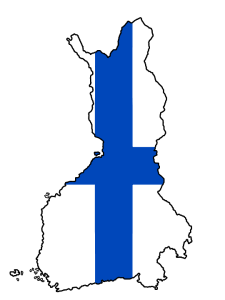
Finland is a top travel destination renowned for its stunning natural landscapes, vibrant cultural scene, and unique seasonal experiences. Visitors are drawn to its vast forests, numerous lakes, and the rugged beauty of its archipelagos. Outdoor enthusiasts enjoy activities like skiing, hiking, fishing, and for the more adventurous, ice swimming.
Places You Must Visit In Finland
Before You Visit Finland
Travel to Finland
Getting to Finland is straightforward, thanks to its well-connected transportation network. The country has several international airports, with Helsinki-Vantaa Airport being the largest and the main entry point for most travelers. It offers a wide range of direct flights to and from cities across Europe, Asia, and North America.
Other notable airports include Oulu, Turku, Tampere, and Rovaniemi, which serve both international and domestic flights, making it easier to reach different parts of the country. For those coming from neighboring countries, there are also convenient ferry services connecting Finland with Sweden, Estonia, and Germany.
Travelers from Russia can opt for train services, such as the Allegro train connecting Helsinki with St. Petersburg. There’s also an extensive network of roads and bus services for those who prefer to travel by land or are visiting from nearby countries.
Once in Finland, the public transportation system comprising buses, trains, trams, and ferries makes it easy to explore the country. For those looking to venture into more remote areas, renting a car might be the best option.
Visas for Finland
Finland is part of the Schengen Area, which comprises 26 European countries that have abolished passport and other types of border control at their mutual borders. If you are a citizen of a Schengen Area country, you do not need a visa to visit Finland; you can travel freely with a national ID card or passport.
For non-Schengen Area citizens, the need for a visa depends on your nationality and the purpose and duration of your stay. Citizens of certain countries are exempt from the visa requirement for short stays (up to 90 days within a 180-day period) for tourism, family visits, or business. These countries include the United States, Canada, Australia, Japan, and South Korea, among others.
If you are not from a visa-exempt country or if you plan to work, study, or stay for longer than 90 days, you will need to apply for a visa or a residence permit. The type of visa or permit required will depend on the nature of your visit:
- Short-stay Schengen visa: For stays up to 90 days.
- National visa (D-visa): For longer stays, such as work or study.
- Residence permit: For long-term relocation.
Visa applications should be submitted to the nearest Finnish embassy or consulate in your home country. It’s important to check the specific requirements well in advance of your trip, as processing times can vary.
Best time to visit Finland
The best time to visit Finland depends on what you want to experience, as the country offers distinct attractions throughout its seasons.
Summer (June to August): This is the most popular time for tourists due to the warm weather and long daylight hours, especially during the Midnight Sun period when the sun doesn’t set for several weeks in the north. It’s ideal for outdoor activities such as hiking, cycling, and lake cruises.
Autumn (September to November): The fall season is short but beautiful with the ‘ruska’ phenomenon, where the foliage turns vibrant shades of orange, red, and yellow. It’s a great time for nature photography and berry picking.
Winter (December to February): Winter transforms Finland into a snowy wonderland, perfect for winter sports like skiing, snowboarding, and husky sledding. It’s also the best season to witness the Northern Lights, particularly in Lapland.
Spring (March to May): As the snow melts, spring brings longer days and the revival of flora and fauna. It’s a quieter season for tourism, which can be ideal for those looking to avoid crowds.
Each season offers something unique, so consider your interests when planning your trip to Finland.
Important Information
Capital – Helsinki
Territory – 338,145 km2
Currency – Euro
Time Zone – UTC+2 (EET) / UTC+3 (EEST)
Population – 5,604,558
Demonym – Finnish