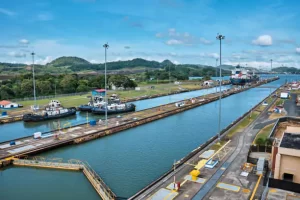
The Panama Canal is one of the world’s most impressive feats of engineering, connecting the Atlantic and Pacific Oceans and transforming global trade routes. Located in the heart of Panama, this iconic landmark is more than a transit hub—it’s a symbol of ingenuity, ambition, and history. A visit to the Panama Canal offers a unique blend of history, stunning views, and unforgettable experiences.
Essential Information
- Location: Panama City, Panama.
- Language: Spanish (English is widely understood in tourist areas).
- Currency: Balboa (PAB) and US Dollar (USD).
- Time Zone: Eastern Standard Time (GMT-5).
- Climate: Tropical climate with a dry season (December to April) and a rainy season (May to November).
Interesting Facts
- Construction Marvel: The canal was completed in 1914 and remains one of the most significant engineering projects in history.
- Locks and Lifts: The canal uses a series of locks to raise and lower ships 85 feet above sea level.
- Expansion: The Panama Canal underwent a major expansion in 2016, allowing larger ships to pass through.
- Length: It spans 82 kilometers (51 miles) from the Atlantic to the Pacific.
- Traffic: More than 14,000 ships transit the canal annually.
How to Get There
- By Air:
- Tocumen International Airport (PTY) in Panama City is the main entry point.
- Domestic flights are available to nearby airports if you’re already in Panama.
- By Bus:
- Regular buses from neighboring countries arrive at the Albrook Bus Terminal in Panama City.
- By Car:
- Panama City is well-connected by road. Consider renting a car if you plan to explore beyond the canal.
Best Things to Do
- Miraflores Visitor Center:
- Witness the canal operations up close and learn about its history through exhibits and viewing platforms.
- Take a Partial or Full Transit:
- Cruise through the locks for a firsthand experience of how ships navigate this engineering wonder.
- Panama Canal Museum:
- Located in Casco Viejo, this museum delves into the canal’s construction, challenges, and legacy.
- Agua Clara Locks:
- Visit the locks on the Atlantic side for a quieter and equally fascinating experience.
- Amador Causeway:
- A picturesque area offering views of the canal, with restaurants, biking paths, and shopping.
Best Accommodation Options
- Luxury:
- The Westin Playa Bonita: Overlooks the Pacific and offers premium amenities with canal views.
- Bristol Panama: A luxurious hotel in downtown Panama City with proximity to key attractions.
- Mid-Range:
- Central Hotel Panama: Located in Casco Viejo, blending history with modern comfort.
- Holiday Inn Panama Canal: Offers a convenient location near the Miraflores Locks.
- Budget-Friendly:
- Selina Casco Viejo: A vibrant hostel ideal for budget-conscious travelers looking for a lively atmosphere.
- Hotel Caribe: Affordable accommodation with basic amenities near Panama City’s attractions.
Good Attractions
- Casco Viejo:
- This historic district is a UNESCO World Heritage Site, filled with colonial architecture, cobblestone streets, and trendy cafes.
- Ancon Hill:
- Hike to this vantage point for panoramic views of the city and the canal.
- Biomuseo:
- An architectural gem showcasing Panama’s biodiversity and ecological significance.
- Soberanía National Park:
- Just outside the city, this park offers hiking trails and opportunities to spot wildlife like toucans and sloths.
- Bridge of the Americas:
- Drive or walk across this iconic bridge spanning the canal.
Getting Around
- Public Transport:
- Panama City’s metro and bus systems are efficient and affordable.
- Taxis and Rideshares:
- Widely available; Uber is a popular choice for convenience and safety.
- Car Rentals:
- Ideal for exploring beyond Panama City, though traffic can be challenging.
- Canal Tours:
- Guided tours often include transportation and insights into the canal’s history.
Day Trips
- Gatun Lake:
- A serene destination for fishing, kayaking, and wildlife viewing.
- Portobelo:
- A historic town with Spanish colonial forts and lush surroundings.
- El Valle de Antón:
- A picturesque mountain village known for hiking, waterfalls, and thermal baths.
- San Blas Islands:
- A tropical paradise offering pristine beaches and a glimpse into the culture of the Guna people.
Practical Tips
- Book Tours Early:
- Canal tours and visitor center tickets can sell out quickly, especially during peak season.
- Stay Hydrated:
- The tropical heat can be intense, so carry water and sunscreen.
- Learn a Few Phrases in Spanish:
- Locals appreciate even basic efforts to communicate in Spanish.
- Carry Small Bills:
- Useful for taxis, street vendors, and tipping.
- Respect Wildlife and Nature:
- If you visit natural parks or reserves, follow guidelines to preserve the environment.
Conclusion
The Panama Canal is more than just a waterway; it’s a testament to human achievement and a must-visit destination in Central America. From observing its locks in action to exploring the rich history and biodiversity of the surrounding areas, the canal offers something for everyone. Whether you’re captivated by history, architecture, or nature, a trip to the Panama Canal is sure to leave you inspired and enriched. Make it the centerpiece of your Panamanian adventure, and you won’t be disappointed!