
Everything You Need To Know For Latvia
Geographical Position And Climate Of Latvia
Latvia is a country located in the Baltic region of Northern Europe. It is one of the three Baltic states and is bordered by Estonia to the north, Lithuania to the south, Russia to the east, Belarus to the southeast, and the Baltic Sea to the west.
The climate in Latvia is classified as humid continental (Köppen climate classification Dfb). This means that the country experiences warm summers and cold, snowy winters. The proximity to the Baltic Sea influences the climate, making it milder than might be expected for its latitude. The average temperature in winter ranges from -6°C to -2°C, and in summer from +16°C to +21°C.
Brief History Of Latvia
The early history of Latvia is marked by the establishment of the Latvian tribes and their trade with nearby regions. During the 12th and 13th centuries, German traders and crusaders, known as the Livonian Brothers of the Sword, began to influence the area, leading to the Christianization of the local population.
In the 13th century, Latvia became part of the Livonian Confederation, which was a loose alliance of territories in present-day Latvia and Estonia. This period saw the construction of many castles and the growth of towns like Riga, which became an important port and trading center.
After the Livonian War in the 16th century, the territory of Latvia was divided between Poland-Lithuania and Sweden. The Latvian lands experienced cultural and economic development during this time, especially under Swedish rule.
In the early 18th century, following the Great Northern War, Latvia came under the control of the Russian Empire. The 19th century brought about a national awakening among Latvians, with a growing sense of national identity and calls for autonomy.
Latvia declared independence on November 18, 1918, in the aftermath of World War I. The interwar period was a time of nation-building and cultural development, although it faced challenges from both internal and external political pressures.
During World War II, Latvia was occupied by the Soviet Union in 1940, then by Nazi Germany from 1941 to 1944, and again by the Soviets at the end of the war. This led to significant changes in the demographic and political landscape, including deportations and the imposition of a communist regime.
The late 1980s saw a resurgence of the independence movement, known as the Singing Revolution, which was part of the broader collapse of the Soviet Union. Latvia restored its independence on August 21, 1991, and has since integrated into Western political and economic structures, joining both the European Union and NATO in 2004.
Religion
The most common religion in the country is Christianity. Being divided into Lutherans, Catholics and Orthodox Christians.
Language
The country’s official language is Latvian, with English and Russian also widely spoken.
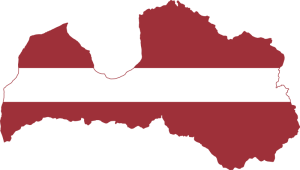
Latvia, with its picturesque landscapes, rich cultural heritage, and vibrant cities, is a hidden gem in Northern Europe that offers a diverse range of attractions for tourists.
Places You Must Visit In Latvia
Before You Visit Latvia
Travel to Latvia
By Air
The primary international gateway to Latvia is through the Riga International Airport (RIX), which is the largest airport in the Baltic states. It serves numerous airlines that connect Riga with major cities in Europe, Asia, and other continents. From the airport, travelers can easily reach the city center via bus, taxi, or car rental services.
By Bus: Latvia has well-established bus connections with neighboring countries such as Estonia, Lithuania, Russia, and Poland. International bus services offer a cost-effective way to reach Latvia.
By Train: While train services are less extensive, there are direct international train routes from Russia and Belarus to Latvia. The rail network also connects Latvian cities internally.
By Car: Travelers can drive into Latvia from neighboring countries. The country is part of the Schengen Area, which allows for relatively hassle-free border crossings, although it’s always advisable to check the latest visa and entry requirements.
Ferries: For those traveling from Sweden or Germany, ferries to Latvia are a scenic option. The main ports in Latvia are in Riga, Ventspils, and Liepaja, offering passenger and vehicle ferry services.
Visas for Latvia
Latvia is a member of the European Union and part of the Schengen Area. This means that the visa policy for Latvia is in accordance with the common visa policy of the Schengen states.
Schengen Visa
Non-EU citizens who are required to have a visa to enter the Schengen Area will need to obtain a Schengen Visa to travel to Latvia. This visa allows you to travel freely within the Schengen Zone for up to 90 days within a 180-day period for tourism, business, or family visits.
Visa Exemptions
Citizens of certain countries do not require a visa to enter Latvia for short stays (up to 90 days in any 180-day period). These countries include but are not limited to the United States, Canada, Australia, Japan, and Brazil. EU/EEA and Swiss nationals can enter Latvia with just an identity card or passport and can stay for an unlimited period.
Long-Stay Visas and Residency Permits
For stays longer than 90 days, such as for work, study, or long-term residency, non-EU citizens must apply for a national visa (D-visa) or a residence permit, depending on the purpose of their stay.
Best time to visit Latvia
The best time to visit Latvia largely depends on what you want to do and see during your trip. Here’s a seasonal guide to help you decide:
Summer (June to August)
Summer is the peak tourist season in Latvia, offering warm temperatures, long daylight hours, and a full calendar of festivals and events. This is the ideal time for exploring the cities, enjoying the beaches, and participating in outdoor activities. The average temperature ranges from 16°C to 20°C, but it can occasionally reach up to 30°C.
Autumn (September to November)
Autumn sees fewer tourists and can be a great time to visit for those who enjoy the changing colors of nature. The weather is cooler and more unpredictable, with temperatures gradually dropping from around 15°C in September to 5°C in November. It’s also a good time for cultural experiences as the theater and music seasons are in full swing.
Winter (December to February)
Winter in Latvia is cold and snowy, with temperatures often below freezing. It’s a perfect time for winter sports enthusiasts to visit ski resorts or to experience traditional Latvian winter festivities. Days are short, and there’s a magical atmosphere around Christmas and New Year’s Eve, especially in Riga with its Christmas markets.
Spring (March to May)
Spring is a shoulder season with fewer tourists and milder weather. Temperatures slowly rise from near freezing in March to a more comfortable range of 5°C to 15°C by May. It’s a good time to witness the awakening of nature and enjoy the blooming landscapes without the summer crowds.
In summary, if you’re looking for outdoor activities and vibrant city life, summer is the best time to visit. For quieter exploration with a focus on culture, consider autumn or spring. If you’re a fan of winter sports or festive atmospheres, winter could be the ideal season for you. Always check the weather forecast and event schedules when planning your trip to make the most of your visit to Latvia.
Important Information
Capital – Riga
Territory – 64,589 km2
Currency – Euro
Time zone – UTC+2 (EET) / UTC+3 (EEST)
Population – 1,842,226
Demonym – Latvian