
Geographical position and Climate of Alberta
Alberta is one of the ten provinces in Canada, located in the western part of the country. It is bordered by British Columbia to the west, Saskatchewan to the east, the Northwest Territories to the north, and the U.S. state of Montana to the south. Alberta is the fourth largest province by area and has a diverse landscape that includes parts of the Rocky Mountains, prairies, boreal forests, and badlands.
Major cities in Alberta include Edmonton, the provincial capital located more or less centrally (but slightly to the north), and Calgary, a major urban center situated in the southern part of the province.
Alberta experiences a continental climate with cold winters and warm summers, but the weather can vary greatly depending on the region.
Best time to visit Alberta
The best time to visit Alberta, Canada, depends on what you want to do and see during your trip. Here’s a seasonal breakdown to help you plan:
Summer (June to August)
- Activities: Ideal for hiking, wildlife viewing, camping, fishing, and enjoying the many festivals that take place.
- Weather: Warm and generally pleasant, though afternoon thunderstorms can occur in the mountains.
- Peak Season: This is peak tourist season, especially in the Rocky Mountain parks like Banff and Jasper, so expect larger crowds and higher prices.
Fall (September to October)
- Scenery: Witness the stunning fall foliage, particularly in the mountain regions.
- Wildlife: Excellent time for wildlife spotting as animals prepare for winter.
- Weather: Cooler temperatures and fewer tourists make it a great time for outdoor activities without the summer crowds.
Winter (November to March)
- Winter Sports: World-class skiing and snowboarding in the Rockies, ice skating, and snowshoeing.
- Northern Lights: The aurora borealis can sometimes be seen in northern Alberta during clear nights.
- Festivals: Enjoy winter festivals like Edmonton’s Ice on Whyte or Calgary’s Glow Festival.
Spring (April to May)
- Shoulder Season: Fewer tourists and lower prices than peak seasons.
- Weather: Variable with a mix of sunny days and potential late snowfalls; the mountains retain snow well into spring.
- Bird Migration: A good time for bird watching as many species return to the province.
Each season offers unique experiences:
- Summer provides the most options for outdoor activities and sightseeing but also comes with the most visitors.
- Fall is perfect for those looking to enjoy the outdoors with cooler temperatures and beautiful autumn colors.
- Winter appeals to snow sports enthusiasts and those who enjoy festive winter atmospheres.
- Spring can be unpredictable weather-wise but offers the advantage of experiencing the province’s natural beauty with fewer crowds.
When planning your visit, consider booking accommodations and activities in advance, especially if you’re traveling during peak tourist seasons or planning to visit popular destinations like Banff and Jasper National Parks.
Travel to Alberta
Getting to Alberta, Canada, is relatively straightforward, with several options available depending on your starting point and preferences:
By Air
- Calgary International Airport (YYC): Located in Calgary, it’s the busiest airport in Alberta and offers numerous domestic and international flights.
- Edmonton International Airport (YEG): Situated near Edmonton, this airport also provides a wide range of domestic and international connections.
These airports are the primary gateways to Alberta and have direct flights from major cities across Canada, the United States, and other international destinations.
By Road
- Trans-Canada Highway (Highway 1): This major cross-country route runs through Alberta, connecting Calgary and the mountain parks to British Columbia to the west and Saskatchewan to the east.
- Highway 2 (Queen Elizabeth II Highway or QEII): Connects Calgary and Edmonton and extends south to the United States border, linking with Interstate 15.
Driving to Alberta can be a scenic journey, especially if you’re coming from British Columbia through the Rocky Mountains or from the prairies of Saskatchewan and Manitoba.
By Rail
- VIA Rail: Offers passenger rail service to Edmonton as part of the Canadian route between Vancouver and Toronto.
- Rocky Mountaineer: Provides luxury train travel through the Rocky Mountains, with routes that include stops in Banff and Jasper.
By Bus
- Bus Services: Various bus companies operate services to and within Alberta, connecting major cities and towns, as well as providing access to more remote areas.
When planning your trip to Alberta, consider the vast distances that may be involved, especially if you’re traveling to more remote areas like the northern parts of the province or the Rocky Mountains. It’s essential to book transportation well in advance, particularly for train travel and during peak tourist seasons. Driving is a popular option for exploring the province, offering flexibility and the opportunity to enjoy the scenic landscapes at your own pace. Always check the latest travel advisories and transportation schedules ahead of your journey.
Places to visit in Alberta
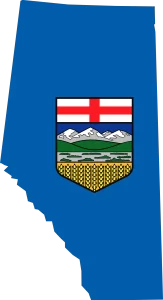
Important Information
Capital – Edmonton
Largest City – Calgary
Territory – 661,849 km2
Population – 4,368,370
Time Zone – UTC-7 (Mountain)