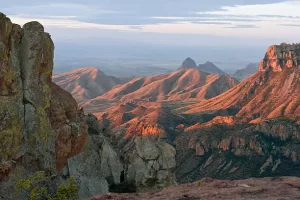
Located in the rugged wilderness of West Texas, Big Bend National Park is a breathtaking destination known for its dramatic desert landscapes, towering mountain ranges, and the winding Rio Grande River. This national park offers outdoor enthusiasts a vast array of activities, from hiking and stargazing to rafting and wildlife watching. Whether you’re an avid adventurer or simply seeking a peaceful retreat, Big Bend is a must-visit destination.
Essential Information About Big Bend National Park
- Location: Big Bend National Park is situated in the Chihuahuan Desert, along the U.S.-Mexico border, in Brewster County, Texas. It is about 5 hours west of San Antonio, and a similar distance from El Paso.
- Size: Spanning over 800,000 acres, Big Bend is one of the largest national parks in the United States, offering ample space for exploration.
- Best Time to Visit: The best time to visit Big Bend is in the spring (March to May) or fall (September to November). The weather is mild, and the park’s diverse flora and fauna are at their most vibrant. Summers can be extremely hot, with temperatures reaching over 100°F (38°C), so be prepared for intense heat during this time.
- Weather: Big Bend experiences desert climate conditions, with scorching summers and mild winters. The average temperature in summer can exceed 95°F (35°C), while winter months are more pleasant, ranging from 40°F to 70°F (4°C to 21°C).
Interesting Facts About Big Bend National Park
- Geological Diversity: The park is home to a wide range of geological features, from rugged mountains and deep canyons to unique desert landscapes. It offers a fascinating study of geological processes.
- Rich Biodiversity: Big Bend is known for its rich biodiversity. The park hosts over 450 species of birds, 1,200 plant species, and 75 species of mammals, including rare species like the Mexican black bear and the Big Bend bighorn sheep.
- International Border: The park lies on the U.S.-Mexico border, with the Rio Grande River serving as a natural divide. Visitors can cross the river into Mexico at the Boquillas Crossing, where they can explore the small town of Boquillas del Carmen.
- Stargazing Haven: Big Bend is recognized as one of the best stargazing locations in the U.S. Its remote location and clear, dark skies make it an ideal spot for observing stars, planets, and the Milky Way.
How to Get There
By Car
Big Bend National Park is most easily accessed by car. The park is about 5 hours from San Antonio and El Paso, and about 8 hours from Austin. Major highways leading to the park include U.S. Route 385 and U.S. Route 90.
- From San Antonio: Take Interstate 10 west to U.S. Route 90, then follow Route 385 south toward the park entrance.
- From El Paso: Take U.S. Route 62/180 east to U.S. Route 385, and continue south.
By Air
The closest major airports to Big Bend are located in El Paso and Midland-Odessa, Texas. From these airports, visitors can drive several hours to the park. Alternatively, you can fly into Alpine-City of the Big Bend Airport (FHU), a smaller regional airport closer to the park.
By Bus
There is no direct bus service into Big Bend National Park, but travelers can use bus services to nearby cities like Alpine or Marfa and arrange private transportation from there.
Best Things to Do in Big Bend National Park
1. Hiking
Big Bend offers some of the most spectacular hiking in Texas. Some popular hikes include:
- Lost Mine Trail: A relatively short but scenic trail that leads to a stunning overlook with views of the Chisos Mountains.
- The South Rim Trail: This challenging hike provides sweeping views of the park’s desert and mountain landscapes, making it one of the most rewarding hikes in the park.
- Emory Peak Trail: The highest point in the park, offering a panoramic view of the surrounding area.
2. Rafting and Canoeing
The Rio Grande River runs through Big Bend, providing ample opportunities for rafting, canoeing, and kayaking. The Santa Elena Canyon offers some of the most picturesque stretches of the river for water activities.
3. Scenic Drives
Big Bend is home to several scenic drives that highlight the park’s dramatic landscapes:
- Ross Maxwell Scenic Drive: This 30-mile drive offers spectacular views of Santa Elena Canyon, Tuff Canyon, and The Window.
- Chisos Basin Loop: A shorter drive that winds through the Chisos Mountains, offering incredible views and easy access to hiking trails.
4. Stargazing
Big Bend National Park is a certified International Dark Sky Park, making it one of the best places in the U.S. for stargazing. On clear nights, you can see the Milky Way, planets, and constellations like never before.
5. Wildlife Watching
The park is home to a diverse range of wildlife. Be sure to keep an eye out for mule deer, desert cottontail rabbits, and the elusive Mexican gray wolf. The Rio Grande Village area is also a great spot for birdwatching.
6. Visit the Hot Springs
Take a dip in the historic hot springs along the Rio Grande River. The warm waters are surrounded by beautiful desert scenery, making it a relaxing and unique experience.
Best Accommodation in Big Bend National Park
1. Chisos Mountains Lodge
Located inside the park, the Chisos Mountains Lodge offers rustic accommodations with stunning views of the surrounding landscape. The lodge features rooms, cabins, and a campground. It is the most convenient place to stay while exploring Big Bend.
2. Rio Grande Village Campground
For a more immersive experience, the Rio Grande Village Campground offers both tent and RV campsites. It is situated along the river and provides excellent access to hiking trails and the park’s hot springs.
3. Private Rentals and Hotels
Outside the park, nearby towns such as Terlingua, Marfa, and Alpine offer additional accommodation options, from boutique hotels to unique desert cabins and guesthouses.
Good Attractions in Big Bend National Park
1. Santa Elena Canyon
One of Big Bend’s most iconic landmarks, Santa Elena Canyon offers dramatic views of towering cliffs along the Rio Grande. Visitors can hike into the canyon or take a scenic boat ride.
2. Tuff Canyon
Tuff Canyon features dramatic rock formations and vibrant desert landscapes. It is an excellent spot for photography and short hikes.
3. Boquillas Crossing
For an international experience, visit Boquillas del Carmen, a small Mexican village accessible via the Boquillas Crossing on the Rio Grande River. Visitors can take a boat across and explore local shops and restaurants.
Getting Around Big Bend National Park
While Big Bend National Park is large, many of the major attractions are accessible by car. The park’s scenic drives and short trails make it easy to explore on your own. Visitors can also use park shuttles for specific areas like the Chisos Basin. Keep in mind that the park is quite remote, and having a car is essential for getting around.
Day Trips from Big Bend National Park
1. Terlingua Ghost Town
A short drive from the park, Terlingua is a former mining town now known for its historic ruins and quirky atmosphere. Explore the town, visit the local Starlight Theatre, and try the famous chili at the Chili Cook-Off.
2. Marfa
Known for its artistic vibe and the mysterious Marfa Lights, this small town is about 1.5 hours from Big Bend. Marfa is home to art galleries, unique shops, and the Chinati Foundation.
3. Alpine
A charming West Texas town, Alpine is a great spot for a day trip. Visit the Museum of the Big Bend, take in the views from The Hill, and enjoy the local culture.
Practical Tips for Visiting Big Bend National Park
- Plan for Limited Services: Cell service is spotty in the park, so it’s important to plan ahead for accommodations, food, and activities.
- Stay Hydrated: The desert climate can be very hot, especially in the summer. Always carry plenty of water with you, especially if you plan to hike or explore for extended periods.
- Pack Sun Protection: The sun in Big Bend is intense, so wear sunscreen, a hat, and sunglasses to protect yourself.
- Leave No Trace: Big Bend is a pristine natural area, so be sure to follow Leave No Trace principles to preserve the park’s beauty for future generations.
Conclusion
Big Bend National Park is a paradise for outdoor lovers, offering a blend of scenic drives, exhilarating hikes, starry skies, and unique cultural experiences. Whether you’re seeking adventure or solitude, this stunning park in West Texas is an unforgettable destination. Plan your trip today to explore the rugged beauty of Big Bend and immerse yourself in one of the most unique and remote national parks in the United States.