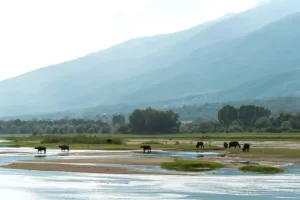
The Buffalo National River in Arkansas is a pristine waterway offering a mix of outdoor adventure, serene landscapes, and a touch of history. Flowing freely for 135 miles, it was the first river in the United States to be designated as a national river, making it a must-visit destination for nature lovers and outdoor enthusiasts.
Essential Information
- Location: Northern Arkansas, spanning Newton, Searcy, Marion, and Baxter counties.
- Established: 1972 as the first designated national river.
- Best Time to Visit:
- Spring (March-May): Ideal for kayaking and canoeing due to high water levels.
- Fall (September-November): Enjoy cooler weather and spectacular autumn foliage.
- Entry Fee: No entrance fee; some campgrounds and activities may have fees.
Interesting Facts
- First National River: The Buffalo River was designated to protect its free-flowing nature, preserving it from damming.
- Diverse Ecosystem: Home to over 300 species of birds, mammals, and aquatic life, including elk herds.
- Geological Wonders: The river features towering limestone bluffs, caves, and waterfalls.
- Cultural History: Archaeological sites along the river reveal ancient Native American presence.
How to Get There
- By Air:
- The nearest major airport is Northwest Arkansas National Airport (XNA) in Bentonville, approximately 2 hours away by car.
- By Car:
- From Little Rock, Arkansas: About 3 hours via I-40 West and US-65 North.
- From Springfield, Missouri: About 2 hours south via US-65.
- By Bus:
- Nearby towns like Harrison offer limited bus services, but a car is essential to reach the river.
Best Things to Do
- Canoeing and Kayaking:
- Paddle the river’s calm stretches or tackle its rapids during the spring. Popular launch points include Ponca, Steel Creek, and Buffalo Point.
- Hiking:
- Trails like the Lost Valley Trail lead to waterfalls, caves, and breathtaking scenery.
- Camping:
- Campgrounds at Tyler Bend and Buffalo Point provide facilities, while backcountry camping offers a rustic experience.
- Wildlife Viewing:
- Elk viewing near Ponca is a highlight, especially during fall.
- Fishing:
- The river is home to smallmouth bass, catfish, and sunfish, perfect for anglers.
- Explore Bluffs and Caves:
- Marvel at towering bluffs like Big Bluff or visit Indian Rockhouse Cave for a glimpse of history.
Best Accommodation
- Rustic Cabins:
- Buffalo Outdoor Center (Ponca): Offers cozy cabins with stunning river views.
- Bear Creek Log Cabins: A tranquil setting perfect for couples or families.
- Campgrounds:
- Steel Creek Campground: Nestled by towering bluffs, ideal for tent camping.
- Buffalo Point Campground: Features both tent and RV sites, with modern amenities.
- Nearby Lodges:
- Cliff House Inn (Jasper): Offers spectacular views and a charming stay.
Good Attractions
- Hemmed-in-Hollow Falls:
- The tallest waterfall between the Rockies and the Appalachians, reachable by a challenging hike or boat trip.
- Boxley Valley Historic District:
- Explore preserved homesteads and enjoy elk viewing in this picturesque valley.
- Tyler Bend Visitor Center:
- Learn about the river’s history, ecology, and geology through exhibits and ranger-led programs.
Getting Around
- By Car: A car is essential for exploring the vast area, as there’s no public transport within the park.
- By River: Canoeing and kayaking are the primary ways to experience the Buffalo River’s beauty.
- Hiking: Trails range from easy to strenuous and provide access to many natural attractions.
Day Trips
- Eureka Springs:
- A charming town known for its Victorian architecture, art galleries, and spas, located about 1.5 hours away.
- Ozark National Forest:
- Nearby, offering additional hiking, fishing, and scenic drives.
- Branson, Missouri:
- About 2 hours away, it’s perfect for live entertainment and family-friendly attractions.
Practical Tips
- Pack Essentials: Bring water, sunscreen, and sturdy shoes for outdoor activities.
- Check River Levels: Water levels vary seasonally and affect paddling conditions.
- Reserve Early: Cabins and campgrounds fill up quickly during peak seasons.
- Practice Leave No Trace: Preserve the park’s beauty by minimizing your impact.
- Weather Awareness: Summer can be hot and humid, while spring and fall bring occasional storms.
Conclusion
Buffalo National River is a haven for outdoor enthusiasts and those seeking a connection with nature. From paddling its crystal-clear waters to exploring its trails and soaking in its serene beauty, this destination promises an unforgettable adventure. With its rich history, diverse ecosystem, and range of activities, the Buffalo National River is the perfect escape into Arkansas’s natural splendor.