
Everything you need to know for Bosnia and Herzegovina
Geographical Position and Climate of Bosnia and Herzegovina
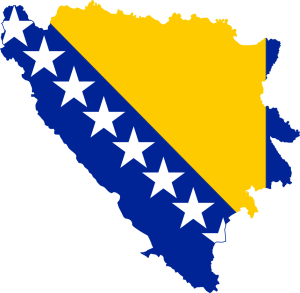
Bosnia and Herzegovina is situated in Southeast Europe on the Balkan Peninsula. It is bordered by Croatia to the north, west, and southwest, Serbia to the east, and Montenegro to the southeast. The country has a narrow coastline along the Adriatic Sea. Its capital city is Sarajevo, which is located near the geographic center of the country.
The climate of Bosnia and Herzegovina is characterized by its diversity due to the country’s complex topography. The northern plains enjoy a continental climate, with hot summers and cold, snowy winters. In contrast, the southern regions experience a more Mediterranean climate, with mild, wet winters and dry, warm summers.
Brief History of Bosnia and Herzegovina
Bosnia and Herzegovina’s history is marked by its position at the crossroads of Eastern and Western civilizations. The region was inhabited by Illyrian and Celtic tribes before falling under Roman rule. In the medieval era, it emerged as a kingdom under Ban Kulin but was later conquered by the Ottoman Empire in the 15th century, which introduced Islam and left a lasting cultural imprint.
The late 19th century saw annexation by the Austro-Hungarian Empire, leading to modernization efforts. The assassination of Archduke Franz Ferdinand in Sarajevo in 1914 ignited World War I. After the war, Bosnia became part of the Kingdom of Yugoslavia and then Socialist Yugoslavia after World War II.
The disintegration of Yugoslavia in the early 1990s led to Bosnia and Herzegovina’s declaration of independence, which triggered a devastating war that lasted until the Dayton Peace Accords in 1995. Today, the country is a sovereign state striving for stability and integration into European institutions.
Religion of Bosnia and Herzegovina
The most practiced religion in Bosnia is Islam, followed by Orthodox Christians. Roman Catholic Christians are close behind.
Language of Bosnia and Herzegovina
There are three official languages in the country. They are Bosnian, Serbian and Croatian. Bosnians and Croats use the Latin alphabet, while Serbs use the Cyrillic alphabet.
Bosnia and Herzegovina offers a unique travel experience with its rich history, diverse culture, and stunning natural landscapes. Visitors can explore the historic city of Sarajevo, known for its East-meets-West atmosphere and war history. The iconic Stari Most bridge in Mostar is a must-see, symbolizing the country’s blend of cultural influences.
Outdoor enthusiasts will enjoy the rugged mountains, pristine rivers, and waterfalls, perfect for hiking, rafting, and skiing. Traditional cuisine reflects the country’s varied past, with dishes like ćevapi and burek. Despite its tumultuous history, Bosnia and Herzegovina stands as a testament to resilience and hospitality, welcoming travelers to discover its many treasures.
Places You Must Visit In Bosnia and Herzegovina
Before you visit Bosnia and Herzegovina
Travel to Bosnia and Herzegovina
By Air
- Main Airport: Fly into Sarajevo International Airport (SJJ), the largest in the country.
- Other Airports: Consider Tuzla International Airport (TZL) or Mostar International Airport (OMO) for regional flights.
By Road
- From Neighboring Countries: Drive across borders from Croatia, Serbia, or Montenegro. Border crossings are straightforward, but ensure you have the necessary car insurance and documents.
With Bus
- International Buses: Regular bus services connect major cities in neighboring countries with Bosnian cities.
By Train
- Limited Services: There are train services from Croatia to Sarajevo, but they are less frequent and slower than buses.
By Sea
- Ferry: If coming from Italy, take a ferry to Croatia and then continue by road or bus into Bosnia and Herzegovina.
Always check the latest travel advisories and border entry requirements before planning your trip.
Visas for Bosnia and Herzegovina
Citizens of many countries can enter Bosnia and Herzegovina without a visa for stays of up to 90 days within a 180-day period. This includes members of the EU, the United States, Canada, Australia, and several other countries. However, visitors should check the latest visa requirements before traveling, as regulations can change.
Travelers from countries that do not have a visa exemption agreement with Bosnia and Herzegovina must apply for a visa at a Bosnian embassy or consulate prior to arrival. The type of visa required will depend on the purpose of the visit, whether it’s for tourism, business, study, or other reasons.
It is also important to ensure that your passport is valid for at least three months beyond the period of stay. Visitors may also be required to show proof of sufficient funds and a return or onward ticket.
Best time to visit Bosnia and Herzegovina
The best time to visit Bosnia and Herzegovina largely depends on the activities you plan to do. Here’s a seasonal guide:
Spring (April to June)
- Weather: Mild and pleasant, with nature in full bloom.
- Activities: Ideal for sightseeing, hiking, and enjoying the countryside.
Summer (July to August)
- Weather: Warm to hot, perfect for outdoor activities.
- Activities: Great for exploring national parks, rafting, and attending festivals.
Autumn (September to October)
- Weather: Cooler temperatures and fewer crowds.
- Activities: Good for cultural exploration and enjoying the fall foliage.
Winter (November to March)
- Weather: Cold, with snow in mountainous areas.
- Activities: Suitable for winter sports like skiing in the Olympic mountains near Sarajevo.
For cultural experiences and comfortable weather, late spring to early autumn is generally the best period to visit.
Important Information:
Capital – Sarajevo
Territory – 51,209 km2
Currency – Convertible mark
Time Zone – UTC+1 (CET) / UTC+2 (CEST)
Population – 3,434,000
Demonym – Bosnian