
Everything you need to know for El Salvador
Geographical position and Climate of El Salvador
El Salvador is located in Central America, bordered by Honduras to the northeast, Guatemala to the northwest, the Pacific Ocean to the south, and it shares maritime borders with Nicaragua. It is the smallest and the most densely populated country in Central America.
The climate in El Salvador is tropical, with a wet and dry season. The rainy season typically runs from May to October, bringing significant rainfall, while the dry season spans from November to April. Due to its tropical location and elevation ranging from sea level to over 2,000 meters (6,562 feet), there can be considerable climatic variation within different regions of the country.
Coastal areas tend to be hot and humid, while the central plateau and mountainous areas are more temperate. Additionally, El Salvador is susceptible to natural disasters such as hurricanes and earthquakes due to its geographic position.
Brief History of El Salvador
El Salvador’s history is rich and complex, marked by significant events that have shaped its current society. Before the Spanish conquest in the 16th century, the region was inhabited by various indigenous peoples, including the Pipil and Lenca. The Spanish introduced Christianity, new governance, and economic structures, which led to a blending of cultures but also oppression and exploitation.
After centuries of colonial rule, El Salvador gained independence from Spain in 1821, initially as part of the Federal Republic of Central America, and later as a sovereign nation. The 20th century saw periods of political instability, authoritarian rule, and economic inequality, culminating in a brutal civil war from 1980 to 1992. This conflict, fueled by social injustices and Cold War geopolitics, resulted in tens of thousands of deaths and significant displacement.
The signing of the Chapultepec Peace Accords in 1992 ended the civil war and ushered in democratic reforms. Despite ongoing challenges with poverty, crime, and political tension, El Salvador has made strides in stabilizing its political landscape and fostering economic growth.
Religion
The predominant religion in El Salvador is Christianity, with Roman Catholicism being the most widely practiced denomination. However, in recent decades, there has been a significant increase in Evangelical Protestantism, which now represents a substantial portion of the population. Additionally, there are smaller groups of Jehovah’s Witnesses, Mormons, and adherents of other faiths.
Language
The official language of El Salvador is Spanish, which is spoken by the majority of the population. However, some indigenous languages are also spoken, including Nawat (Pipil), although these are less common and are considered endangered due to the dominance of Spanish. The use of English has been increasing, particularly in business, tourism, and by younger generations, but it is not as prevalent as Spanish.
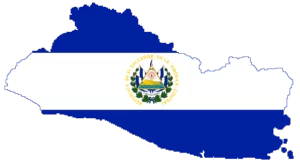
El Salvador, known as the “Land of Volcanoes,” offers a diverse range of tourist attractions despite its small size. Visitors can explore pristine beaches with some of the best surfing spots in Central America, such as El Tunco and El Sunzal. The country’s interior features stunning volcanic landscapes, including the Santa Ana Volcano and the Coatepeque Caldera.
For those interested in history and culture, the archaeological site of Joya de Cerén, known as the “Pompeii of the Americas,” provides a fascinating glimpse into pre-Columbian life. The colonial town of Suchitoto is another gem, with its cobbled streets and cultural festivals.
Places to visit in El Salvador
- San Salvador
- Joya de Cerén
- Tazumal
- El Tunco
- Santa Ana Volcano
- Suchitoto
- El Imposible National Park
- Montecristo Cloud Forest
Before you visit El Salvador
Travel to El Salvador
By Air
El Salvador’s main airport is the Monseñor Óscar Arnulfo Romero International Airport (IATA: SAL), located about 50 km from the capital, San Salvador. Various international airlines offer direct flights to El Salvador from numerous countries.
By Land
From Guatemala:
You can cross into El Salvador at several points along the border. The most common crossing is at La Hachadura on CA-2, with buses and shuttles available for transport.
From Honduras:
El Amatillo is one of the main entry points when coming from Honduras. There are regular bus services that can take you across the border and into El Salvador.
By Sea
For those arriving by cruise ship, the Acajutla port is where you’d likely dock. Some visitors also sail in on private boats; however, specific procedures and regulations apply for seafaring arrivals.
Visas for El Salvador
Tourist Visas
Most travelers entering El Salvador for tourism purposes will need either a tourist card or a visa, depending on their nationality.
Tourist Card
- Valid for 90 days.
- Available upon arrival for citizens of the USA, Canada, Australia, and many other countries.
- Fee: Approximately $10 USD.
Visa Requirements
- Passport valid for at least six months.
- Completed application form.
- Recent passport-size photograph.
- Proof of travel itinerary.
- Proof of economic solvency.
- Payment of consular fee.
Business Visas
Business visas are required for those who intend to engage in business activities. The requirements are similar to tourist visas but also include:
- A letter from the employer stating the purpose of the trip.
- An invitation letter from the business partner in El Salvador.
Other Visas
- Transit Visas: For travelers passing through El Salvador to reach another destination.
- Work Visas: For those who have a job offer in El Salvador.
- Student Visas: For individuals planning to study in El Salvador.
Visa Exemptions
Citizens from Central American countries (except Belize) do not require a visa or tourist card to enter El Salvador.
Best time to visit El Salvador
Dry Season (November to April)
- Ideal for beach activities and surfing.
- The weather is warm and sunny, perfect for exploring outdoor attractions.
- This period includes the busy tourist season, especially around Christmas and Easter.
Wet Season (May to October)
- Characterized by afternoon rains and lush landscapes.
- Fewer tourists, which may result in lower prices for accommodation and services.
- Some rural roads may be impassable due to heavy rains.
Festivals and Events
- Festival of El Salvador del Mundo: Celebrated in August, a significant event in honor of the patron saint of San Salvador.
- Semana Santa (Holy Week): A vibrant and culturally rich celebration occurring in the week leading up to Easter Sunday.
- Independence Day: September 15th, marked by parades and patriotic festivities.
Important Information
Capital – San Salvador
Territory – 21,041 km2
Currency – United States dollar (USD)
Time Zone – UTC-6 (CST)
Population – 6,602,370
Demonym – Salvadoran