
Everything You Need To Know For England
Geographical Position and Climate Of England
England is located in the northern part of the island of Great Britain, which lies to the northwest of mainland Europe. It shares land borders with Scotland to the north and Wales to the west; the Irish Sea is to the northwest, the Celtic Sea to the southwest, while the North Sea is to the east and the English Channel to the south separating it from continental Europe.
England has a temperate maritime climate. Overall, the country experiences moderate seasonal changes and no extreme weather patterns, although recent shifts in global climate have led to more intense rainfall and occasional unseasonal temperature spikes.
Brief History of England
Prehistoric to Roman Britain
The story of England begins in prehistoric times, with Stonehenge standing as a testament to its ancient cultures. The Romans invaded in 43 AD, bringing roads, towns, and Roman law, until their withdrawal around 410 AD.
Anglo-Saxon and Viking Age
Following the Roman departure, waves of Germanic tribes known as the Anglo-Saxons settled in England. This period was characterized by the establishment of kingdoms and the spread of Christianity. However, peace was disrupted by Viking invasions, leading to periods of Norse control until the eventual unification of England under King Æthelstan in 927.
Norman Conquest
In 1066, William the Conqueror from Normandy defeated the English king at the Battle of Hastings, profoundly influencing the language, culture, and social structure of England through the introduction of feudalism.
Medieval England
The Middle Ages saw the Magna Carta, the establishment of Parliament, and several conflicts including the Hundred Years’ War with France and internal strife such as the Wars of the Roses.
Tudor and Stuart Period
The Tudor dynasty brought about the English Reformation, the establishment of the Church of England, and the expansion of maritime power. The Stuart period was marked by civil war, the execution of Charles I, and the temporary establishment of a republic under Oliver Cromwell.
Industrial Revolution and Empire
The 18th and 19th centuries were a time of immense change, as England became the birthplace of the Industrial Revolution. It also saw the expansion of the British Empire, making it one of the largest empires in history.
20th Century to Present
The 20th century was defined by two world wars, with England playing a central role in both. Post-war, England experienced significant social and economic changes, and the late 20th century saw the devolution of powers to Scotland, Wales, and Northern Ireland. Today, England remains a key player on the global stage, within the United Kingdom and as part of the international community.
Religion
The most practised religion in England is Christianity. The Anglican and Roman Catholic churches are the most widespread. There are also Muslim and Jewish minorities.
Language
English is the country’s official language.
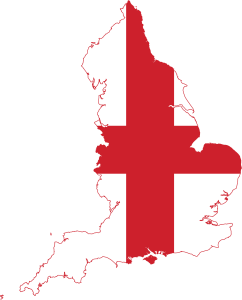
England is a diverse and historic destination that attracts millions of tourists each year. Visitors are drawn to its rich cultural heritage, picturesque countryside, vibrant cities, and iconic landmarks. With an extensive rail and road network, England is accessible and tourist-friendly, offering a wealth of experiences that cater to history buffs, nature lovers, sports fans, and those seeking the buzz of city life.
Places You Must Visit In England
Before You Visit England
Travel to England
By Air
The most common way for international visitors to reach England is by air. The country hosts several international airports, with London Heathrow being the largest and busiest. Other major airports include London Gatwick, Manchester Airport, Birmingham Airport, and London Stansted, among others. These airports serve a wide range of global destinations and are serviced by numerous international airlines.
By Train
For travelers from mainland Europe, the Eurostar train provides a high-speed rail service directly to London via the Channel Tunnel from cities like Paris, Brussels, and Amsterdam. Once in England, the extensive rail network allows easy access to other parts of the country.
By Sea
Ferries operate between England and various European destinations, including France, Spain, and the Netherlands. Major ports like Dover, Southampton, and Portsmouth offer passenger services, which can be a convenient option if you’re traveling with a vehicle.
By Road
Driving to England from Europe is possible by using the Eurotunnel Shuttle service, which transports vehicles between Calais in France and Folkestone in Kent. Alternatively, you can drive onto a ferry. Once in England, an extensive motorway network connects travelers to different regions.
By Bus/Coach
International coaches, such as those operated by Eurolines, connect England with many European cities. This can be a budget-friendly option, albeit slower than flying or taking the train.
Visas for England
Tourist Visas
For tourists, the Standard Visitor visa allows individuals to stay in England for up to 6 months. This visa is suitable for those who wish to holiday, visit family or friends, or conduct certain business activities.
Visa-Exempt Countries
Many countries are visa-exempt for short stays, meaning their citizens can enter England without a visa for up to 6 months for tourism, business meetings, or academic conferences. The United States, Canada, Australia, and many South American and Caribbean nations are included in this list.
Points-Based Immigration System
England, as part of the United Kingdom, operates a points-based immigration system for work, study, and other specific visas. This includes the Skilled Worker visa, Student visa, and others that cater to different employment and educational scenarios.
EU, EEA, and Swiss Citizens
Following Brexit, the rules for EU, EEA, and Swiss citizens have changed. These individuals now require permission to work and stay long-term in England but can generally visit as tourists without a visa for up to 6 months.
Electronic Visa Waiver
Citizens of some Middle Eastern countries can obtain an Electronic Visa Waiver (EVW) which allows them to visit England for up to 6 months without a visa, provided they complete an online application before travel.
Applying for a Visa
Visa applications should be completed online through the official UK government website. Applicants may need to provide financial evidence, details of accommodation, and travel plans, and attend an appointment at a visa application center.
Best time to visit England
The best time to visit England largely depends on your preferences for weather, crowd sizes, and the types of activities you’re interested in. Here’s a seasonal breakdown:
Spring (March to May)
Spring is a delightful time to visit with milder temperatures and blooming flowers. The countryside is particularly picturesque, and tourist attractions are less crowded than in the peak summer months.
Summer (June to August)
Summer brings the warmest weather and the longest days, ideal for sightseeing and outdoor activities. This is peak tourist season, so popular destinations can be crowded, and prices may be higher. England hosts numerous festivals and events during this period.
Autumn (September to November)
Autumn sees cooler temperatures and the changing colors of the foliage, offering a beautiful backdrop for walks and photography. It’s also a good time to visit if you prefer fewer tourists and lower accommodation rates compared to summer.
Winter (December to February)
Winter can be cold and days are short, but it’s a great time to experience England’s cozy pubs, vibrant Christmas markets, and festive decorations. Some rural attractions may have reduced hours or be closed, so check ahead.
Generally, the shoulder seasons of late spring and early autumn offer a good balance of pleasant weather and moderate tourist numbers. Always consider checking the event calendar for any specific happenings that might influence your decision on when to visit.
Important Information
Capital – London
Territory – 132,930 km2
Currency – Pound sterling
Time Zone – UTC+0 (GMT) / UTC+1 (BST)
Population – 56,536,419
Demonym – English