
Everything you need to know for Estonia
Geographical Position and Climate of Estonia
Estonia is a country located in Northern Europe, bordering the Baltic Sea and Gulf of Finland. It lies on the eastern shores of the Baltic Sea, across from Sweden to the west and south of Finland. It also shares land borders with Latvia to the south and Russia to the east.
The climate in Estonia is characterized as being continental, which means that it experiences warm summers and cold, snowy winters. Its proximity to the Baltic Sea helps to moderate temperatures somewhat, but there is still significant variation between seasons.
Brief History of Estonia
Estonia has been inhabited since at least 9000 BC with the arrival of the first hunter-gatherers. Over the centuries, various tribes and cultures settled in the region, including the ancestors of the modern Estonians.
In the 13th century, German traders and crusaders, under the auspices of the Northern Crusades, established control over the region, leading to centuries of foreign domination. The Danes, Germans, Poles, Swedes, and Russians all controlled Estonia at different times.
From the 16th to the early 18th century, Estonia was part of the Swedish Empire. In the Great Northern War, Russia defeated Sweden and took over the territory, incorporating Estonia into the Russian Empire.
Following the chaos of World War I and the Russian Revolution, Estonia declared independence on February 24, 1918. The subsequent War of Independence lasted until 1920 when the Tartu Peace Treaty was signed with Soviet Russia recognizing Estonia’s sovereignty.
Estonia’s independence was short-lived. In 1940, it was forcibly incorporated into the Soviet Union. During World War II, it was occupied by Nazi Germany from 1941 to 1944, after which it was reoccupied by the Soviet Union.
The late 1980s saw a national movement for independence, culminating in the peaceful Singing Revolution. On August 20, 1991, Estonia declared the restoration of its independence from the Soviet Union.
Since regaining independence, Estonia has transformed itself into a modern and prosperous nation. It joined both the European Union and NATO in 2004 and adopted the euro as its currency in 2011. Estonia is known for its high-tech industry and digital society, often being referred to as e-Estonia.
Religion
The most practiced religion in the country is Christianity. Protestants are the most numerous, followed by the Orthodox. There are also Muslim minorities.
Language
The country’s official language is Estonian. As a second language, the younger population speaks English and the older population Russian.
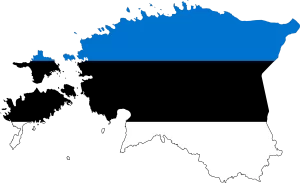
Estonia, a hidden gem in Northern Europe, offers a unique blend of natural beauty, medieval history, and modern innovation. Here’s what makes Estonia a fascinating destination for tourists: Medieval Old Towns, Pristine Nature, Beaches and Islands, Cultural Experiences and Spa & Wellness.
Places You Must Visit In Estonia
Before You Visit Estonia
Travel to Estonia
By Air
- Tallinn Airport (Lennart Meri Tallinn Airport): The main international gateway, offering flights from various European cities. It’s well-connected with major airline hubs.
By Sea
- Ferry Services: Regular ferries connect Estonia with Finland (Helsinki), Sweden (Stockholm), and Russia (St. Petersburg). The Port of Tallinn is the primary port for passenger ferries.
With Car
- Driving to Estonia is possible via the well-maintained road networks connecting it to Latvia and Russia. Border crossings are straightforward for EU citizens; non-EU travelers should check visa requirements.
Visas for Estonia
Schengen Visa
- Non-EU/EEA Citizens: Travelers from many countries outside the EU/EEA may need to obtain a Schengen visa for short stays (up to 90 days within a 180-day period) for tourism, business, or visiting family and friends.
- Visa-Free: Citizens from certain countries, like the USA, Canada, Australia, and Japan, do not require a visa for short stays.
Long Stay Visas and Residence Permits
- For stays longer than 90 days, a national long-stay visa (D-visa) or a residence permit is necessary, depending on the purpose of stay such as work, study, or family reunification.
Best time to visit Estonia
The best time to visit Estonia largely depends on what you want to experience. Here’s a seasonal guide:
Summer (June to August)
- Pros: Warm weather, long daylight hours, and the full bloom of nature make summer ideal for outdoor activities, festivals, and exploring the islands and beaches.
- Cons: Peak tourist season can mean more crowds and higher prices.
Spring (March to May) and Autumn (September to November)
- Pros: Fewer tourists, mild weather in spring, and beautiful autumn foliage. These seasons are great for city breaks and cultural events.
- Cons: Unpredictable weather with possible rain and chilly days, especially in autumn.
Winter (December to February)
- Pros: Snow-covered landscapes, Christmas markets in Tallinn, opportunities for winter sports, and the chance to experience the serene, snowy countryside.
- Cons: Short daylight hours and cold temperatures that can be challenging if you’re not fond of the cold.
Important Information
Capital – Tallinn
Territory – 45,335 km2
Currency – Euro
Time Zone – UTC+2 (EET) / UTC+3 (EEST)
Population – 1,373,101
Demonym – Estonian