
Geographical position and Climate of Japan
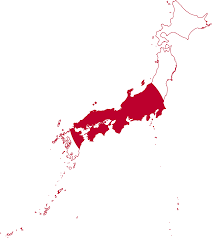
Japan is an island nation located in the Pacific Ocean, off the eastern coast of Asia. It lies to the east of the Korean Peninsula and China, stretching from the Sea of Okhotsk in the north to the East China Sea and Taiwan in the south. The country consists of a stratovolcanic archipelago made up of 6,852 islands, with the four largest being Honshu, Hokkaido, Kyushu, and Shikoku, which make up about ninety-seven percent of Japan’s land area.
Japan’s climate varies significantly from north to south:
- Hokkaido and Northern Honshu (Tohoku region): These areas experience a humid continental climate with warm, short summers and cold, snowy winters.
- Central and Eastern Honshu (including Tokyo), Kyushu, and Shikoku: These regions have a humid subtropical climate characterized by hot, humid summers and mild winters with occasional cold spells.
- Western Japan (including Osaka and Hiroshima): This area also has a humid subtropical climate but is slightly warmer and experiences less winter precipitation than the eastern part of the country.
- Okinawa and the Southern Islands: These areas enjoy a subtropical climate with long, hot summers and mild winters, making them a popular destination for beachgoers.
Japan’s climate is also influenced by the monsoon season, with a wet season (tsuyu) typically occurring in early summer. Typhoons are common in late summer and early autumn, particularly in the south and southwest of the country. The country’s varied topography also contributes to its diverse climatic conditions, with mountainous regions experiencing cooler temperatures and more snowfall.
Brief history of Japan
Japan’s history is rich and complex, marked by distinct periods that have shaped its culture and society. The earliest known civilization is the Jomon period, dating back to around 14,000 B.C., characterized by a hunter-gatherer culture with distinct pottery.
The Yayoi period followed, introducing rice cultivation and metallurgy around 300 B.C. This era transitioned into the classical period, which saw the emergence of the Yamato state and the introduction of Buddhism from Korea.
The Nara (710-794) and Heian (794-1185) periods were times of cultural blossoming, with the latter giving rise to the samurai class. The subsequent feudal era was marked by military rule under the shoguns and lasted until the late 19th century, encompassing periods such as Kamakura, Muromachi, and particularly the stable Edo period (1603-1868).
The Meiji Restoration in 1868 ended feudalism, as Japan rapidly industrialized and modernized, becoming an imperial power. Post-World War II, after suffering atomic bombings and defeat, Japan adopted a pacifist constitution, rebuilt its economy, and emerged as a leading global economic force.
Today, Japan is known for its blend of traditional values and cutting-edge technology, playing a significant role in international affairs and global culture.
Religion of Japan
Religion in Japan is characterized by syncretism; that is, most people practice a blend of Shintoism and Buddhism. Shintoism is an indigenous spirituality that focuses on ritual practices to be carried out diligently, establishing a connection between present-day Japan and its ancient past. Buddhism was introduced in the 6th century and has since been co-existing with Shinto beliefs.
In addition to these two main religions, Christianity and other religions are also practiced in Japan, but they represent a small percentage of the population. Many Japanese people also celebrate festivals and rites of passage that have roots in both Shinto and Buddhist traditions, such as weddings, funerals, and seasonal festivals. Despite this rich religious tapestry, modern Japanese society can be quite secular, with many people not adhering strictly to religious doctrines in their daily lives.
Language of Japan
The primary language of Japan is Japanese, which is spoken by the vast majority of the population. Japanese is a Japonic language with several dialects that vary regionally across the country. The standard form of the language, Hyōjungo or Standard Japanese, is based on the Tokyo dialect and is taught in schools and used in official communications.
Places to visit in Japan
- Tokyo
- Kyoto
- Osaka
- Hiroshima
- Sapporo
- Nagoya
- Fukuoka
- Kobe
- Nara
- Yokohama
- Fuji-Hakone-Izu National Park
- Akan National Park
- Nikko National Park
- Chubu-Sangaku National Park
- Yakushima National Park
- Oze National Park
- Kerama Islands National Park
- Daisetsuzan National Park
- Ise-Shima National Park
- Shiretoko National Park
Before you visit Japan
Travel to Japan
Traveling to Japan can be done through various means, although the most common way for international travelers is by air. Here are the primary ways to get to Japan:
By Air
- International Flights: Most travelers arrive in Japan by flying into one of its major international airports such as Narita International Airport (near Tokyo), Kansai International Airport (near Osaka), or Haneda Airport (also serving Tokyo). There are direct flights from numerous countries around the world.
- Domestic Flights: For those already in Asia or nearby regions, domestic flights from countries like South Korea, China, and Taiwan are frequent.
By Sea
- Ferries: There are international ferry services that connect Japan with neighboring countries such as South Korea, Russia, and China. These ferries typically dock at ports like Hakata in Fukuoka, Shimonoseki, and Osaka.
Overland
- Tunnels and Bridges: While there’s no land border crossing because Japan is an archipelago, once you’re in the country, extensive networks of tunnels and bridges connect the islands, making domestic travel seamless.
Visas for Japan
Visa requirements for Japan vary depending on the traveler’s nationality, purpose of visit, and length of stay. Here are some general guidelines:
Visa Exemption
- Many countries have reciprocal visa exemption arrangements with Japan, allowing their citizens to enter Japan for short-term stays (usually up to 90 days) for tourism, business, conferences, or visiting relatives without a visa.
Tourist Visas
- Travelers from countries that do not have a visa exemption agreement with Japan must apply for a tourist visa before arrival. This typically requires submitting an application form, passport, photograph, and travel itinerary to a Japanese embassy or consulate.
Work and Long-Term Visas
- For longer stays or purposes such as work, study, or long-term residency, different types of visas are required, such as work visas, student visas, or family-related visas. These require additional documentation and sponsorship from a company, educational institution, or family member in Japan.
Transit Visas
- Some travelers may need a transit visa if they are passing through Japan to reach another destination. However, many nationalities are exempt from this requirement if the transit time is within a specified period and they remain within the airport.
COVID-19 Restrictions
- Due to the ever-changing nature of travel restrictions related to COVID-19, it’s important to check the latest information on entry requirements, which may include quarantine measures, vaccination certificates, or negative PCR tests.
For the most accurate and up-to-date information, travelers should consult the official website of the Ministry of Foreign Affairs of Japan or contact the nearest Japanese embassy or consulate prior to making travel arrangements.
Best time to visit Japan
The best time to visit Japan depends on your interests and what you want to experience. Here are some highlights throughout the year:
Spring (March to May)
- Cherry Blossom Season: Late March to early April is ideal for cherry blossom viewing, known as “hanami.” The weather is generally mild and pleasant.
Summer (June to August)
- Festivals: Summer is packed with festivals like Tanabata and Obon. It’s hot and humid but also the season for climbing Mount Fuji.
- Fireworks: There are numerous fireworks displays, a staple of Japanese summer.
Autumn (September to November)
- Fall Foliage: Late November offers stunning autumn colors, particularly in Kyoto’s historical gardens and temples.
- Mild Weather: Comfortable temperatures make it perfect for outdoor activities and sightseeing.
Winter (December to February)
- Skiing and Onsens: Hokkaido and the Japanese Alps offer excellent skiing and snowboarding, paired with relaxing hot springs.
- New Year Celebrations: Experience traditional New Year festivities and first shrine visits of the year, called “hatsumode.”
Each season has its own unique attractions, so consider what experiences you prioritize when planning your trip. Additionally, keep in mind that certain times, like Golden Week (late April to early May), Obon (mid-August), and New Year, can be very busy with domestic travelers.
Important Information
Capital – Tokyo
Territory – 377,975 km2
Currency – Japanese yen
Time Zone – UTC+9 (JST)
Population – 123,970,000
Demonym – Japanese