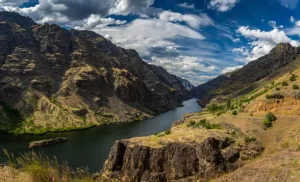
Hell’s Canyon National Recreation Area, located on the border between Idaho and Oregon, is a stunning and remote wilderness area. Known for its rugged landscapes, deep canyons, and rich wildlife, Hell’s Canyon is the perfect destination for adventure seekers, nature lovers, and those looking to experience the wild beauty of the American West. This travel guide will help you plan your visit to one of the most spectacular, and less-visited, natural areas in the United States.
Essential Information
Location: Hell’s Canyon National Recreation Area is located in the far northeastern part of Oregon and western Idaho, primarily situated along the Snake River. It spans over 652,000 acres of protected land, making it one of the largest recreation areas in the U.S.
Season: The best time to visit Hell’s Canyon is during the spring and fall months, when temperatures are mild and the area is less crowded. Summer offers warmer weather, but it can get quite hot, especially at lower elevations. Winter brings snow, making some areas inaccessible, but it’s also a great time for winter sports in nearby areas.
Park Hours: The recreation area is open year-round, but access to some remote locations may be restricted during the winter months due to snow or flooding conditions. It’s important to check trail and road conditions before your visit.
Interesting Facts
- Deepest River Gorge: Hell’s Canyon is North America’s deepest river gorge, with depths reaching up to 7,993 feet. This impressive feature is deeper than the Grand Canyon in some places, making it a must-see for anyone interested in geology.
- Cultural Significance: Hell’s Canyon was once home to the Nez Perce and Shoshone-Bannock tribes, who used the canyon for hunting and fishing. Today, you can still see remnants of their history and culture in the area.
- Wildlife: Hell’s Canyon is a haven for wildlife, including elk, mule deer, bighorn sheep, and a variety of bird species. It’s an excellent place for birdwatching and wildlife photography.
How to Get There
Hell’s Canyon is accessible by car, but some of the roads leading into the recreation area are gravel or dirt, so a high-clearance vehicle is recommended.
- From Boise, Idaho: Take U.S. Highway 55 north, and then turn east on State Highway 95 toward Cambridge. From there, follow signs to Hell’s Canyon.
- From Lewiston, Idaho: Travel south along U.S. Highway 12 and then head east on Highway 64 to the recreation area.
- From Portland, Oregon: If flying into Portland, you can rent a car and drive southeast for about 4.5 hours to reach the recreation area.
- Public Transportation: The closest major airport is in Lewiston, Idaho. From there, you can rent a car or arrange a shuttle to reach the canyon.
Best Things to Do
- Hiking: Hell’s Canyon offers a range of hiking trails, from short, easy hikes to challenging multi-day treks. Popular trails include the Seven Devils Mountains for panoramic views and the Snake River Trail for a more rugged, remote experience.
- Whitewater Rafting: The Snake River runs through the heart of Hell’s Canyon, offering some of the best whitewater rafting in the region. Whether you’re a beginner or experienced rafter, several companies offer guided trips down the river.
- Fishing: The Snake River is known for its excellent fishing opportunities, including steelhead, salmon, and smallmouth bass. Whether you’re fly fishing from the banks or boating along the river, it’s a peaceful and rewarding experience.
- Wildlife Watching: Hell’s Canyon is teeming with wildlife. Keep your eyes peeled for bighorn sheep scaling the cliffs, mule deer in the valleys, and bald eagles soaring above the river.
- Photography: With its dramatic landscapes, wildlife, and rich sunsets, Hell’s Canyon is a paradise for photographers. Don’t forget to capture the striking rock formations and sweeping canyon views.
Best Accommodation
- Camping: For an immersive experience, camping is one of the best ways to enjoy Hell’s Canyon. There are several campgrounds, such as Pittsburg Landing and Gene’s Creek, where you can camp under the stars.
- Lodging: If you prefer more comfort, consider staying in nearby towns such as Lewiston, Idaho, or Joseph, Oregon. These areas offer a range of hotels and motels, from budget-friendly options to more luxurious choices.
- Cabins: Some private rental cabins are available in the area, providing a cozy and rustic option for those who want a little more comfort in the wilderness.
Good Attractions Near Hell’s Canyon
- Hells Canyon Scenic Byway: This scenic route offers some of the best views of the canyon and surrounding areas. It’s a great way to take in the breathtaking landscape from the comfort of your car.
- Nez Perce National Historical Park: Located nearby, this park offers a deeper look into the history of the Nez Perce tribe, including their presence in the region and the events surrounding their forced relocation.
- Wallowa Lake: About 30 minutes from Hell’s Canyon, Wallowa Lake is a picturesque destination offering hiking, fishing, and boating. It’s a popular spot for families and those seeking a peaceful retreat.
Getting Around
While there are no public transportation options within Hell’s Canyon, renting a car or bringing your own is the best way to explore the area. If you’re planning to venture into more remote locations, consider a 4×4 vehicle, especially if you’re visiting in the spring or fall when the roads can get muddy. For hiking, many of the trails are best explored on foot, while rafting trips are typically guided.
Day Trips from Hell’s Canyon
- Wallowa Mountains: Just a short drive from Hell’s Canyon, the Wallowa Mountains offer hiking, fishing, and camping in a stunning alpine setting. The Wallowa Lake Tramway provides an easy way to see the mountains from above.
- Joseph, Oregon: A small town known for its arts scene and charming atmosphere, Joseph offers galleries, shops, and dining. It’s also a gateway to the Wallowa Mountains.
- Lewiston, Idaho: The nearest city to Hell’s Canyon, Lewiston offers historical attractions, museums, and a variety of restaurants, making it a great place to relax after a day of outdoor activities.
Practical Tips
- Pack for All Weather: The weather in Hell’s Canyon can be unpredictable. Even in the summer, temperatures can swing drastically, so bring layers, sunscreen, and plenty of water.
- Permits: Some areas may require permits for camping, fishing, or other activities. Be sure to check ahead for any specific requirements.
- Respect Nature: As a designated recreation area, Hell’s Canyon is protected. Follow Leave No Trace principles to keep the environment pristine and avoid disturbing wildlife.
- Cell Phone Service: Cell phone coverage in Hell’s Canyon is limited, especially in more remote areas. Make sure to plan ahead, especially if you plan to explore off the beaten path.
Conclusion
Hell’s Canyon National Recreation Area is an awe-inspiring destination for those seeking adventure, tranquility, and the beauty of the wild. With its deep canyons, rushing rivers, and abundant wildlife, it offers a wealth of opportunities for outdoor activities, from hiking and fishing to whitewater rafting and photography. Whether you’re camping under the stars or staying in nearby towns, Hell’s Canyon is an unforgettable experience for nature lovers and outdoor enthusiasts alike. Plan your visit, embrace the wild beauty, and prepare for an unforgettable adventure in this remarkable corner of Idaho and Oregon.