Essential Information
Knife River Indian Villages National Historic Site, located along the Knife River in central North Dakota, preserves the cultural heritage of the Northern Plains tribes, particularly the Hidatsa people. This site offers a glimpse into the fascinating history, architecture, and daily life of Native American tribes.
- Location: Stanton, North Dakota
- Best Time to Visit: Spring through fall for pleasant weather and guided tours
- Area: Over 1,700 acres
- Known For: Earthlodge dwellings, cultural exhibits, and scenic river views
Interesting Facts About Knife River Indian Villages
- Historical Significance: The site was home to Hidatsa and Mandan people, with evidence of habitation dating back hundreds of years.
- Connection to Lewis and Clark: The Corps of Discovery met Sacagawea at one of these villages.
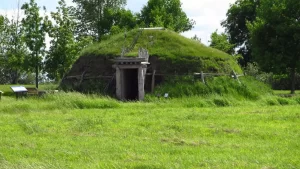
- Earthlodges: The park features reconstructed earthlodges, traditional homes of the Hidatsa people.
- Archaeological Richness: Artifacts found here provide insights into the agricultural practices and trade networks of Native Americans.
How to Get There
- By Air: Fly into Bismarck Municipal Airport (BIS), about 1.5 hours from the site.
- By Car: Take ND-200 or ND-31 to reach Stanton, where the site is located.
- By Train: Amtrak stops in Minot, North Dakota, about 2 hours from the site.
Best Things to Do at Knife River Indian Villages
- Earthlodge Tours: Explore the reconstructed earthlodge and learn about its construction and significance.
- Walking Trails:
- Village Trail: A short trail leading to the remains of Hidatsa village sites.
- Two Rivers Trail: A longer hike offering scenic views of the Knife and Missouri Rivers.
- Visitor Center:
- View artifacts, dioramas, and exhibits that tell the story of the Hidatsa people.
- Watch educational films about the site’s history and culture.
- Cultural Programs: Participate in ranger-led talks and demonstrations on traditional crafts and tools.
- Photography: Capture stunning landscapes and river views, especially at sunrise or sunset.
Best Accommodation Options
- In Stanton:
- Knife River Cabins: Comfortable lodging with rustic charm.
- Local Bed & Breakfasts: Enjoy cozy accommodations with a personal touch.
- In Bismarck:
- Radisson Hotel Bismarck: Modern amenities in the state capital.
- Fairfield Inn & Suites: Ideal for families and business travelers.
Good Attractions
- Huff Indian Village State Historic Site: Explore another Native American village with earthlodge remnants.
- Lewis and Clark Interpretive Center: Learn about the explorers’ journey through North Dakota.
- Fort Mandan Historic Site: Discover the reconstructed winter camp of the Lewis and Clark Expedition.
- Lake Sakakawea: Enjoy boating, fishing, and scenic views at this nearby reservoir.
Getting Around
- Car: A personal vehicle is the most convenient way to explore the site and nearby attractions.
- Bike: Biking is allowed on designated trails and roads.
- Walking: Most of the site’s main attractions are accessible on foot.
Day Trips from Knife River Indian Villages
- Theodore Roosevelt National Park: Experience the stunning Badlands and abundant wildlife (2.5-hour drive).
- Lake Sakakawea State Park: Perfect for water-based recreation and picnics.
- Dakota Zoo in Bismarck: A family-friendly destination featuring native and exotic animals.
Practical Tips
- Weather Prep: Bring layers for variable weather, especially in spring and fall.
- Comfortable Shoes: Essential for exploring trails and historical sites.
- Photography Gear: Don’t forget your camera to capture the beauty and history of the area.
- Park Fees: Entrance to the site is free, but donations are appreciated.
- Stay Hydrated: Carry water, especially during summer visits.
Conclusion
Knife River Indian Villages National Historic Site offers a unique opportunity to connect with the history and culture of the Northern Plains tribes. From the impressive earthlodges to the educational exhibits and scenic trails, the site is a must-visit for history enthusiasts and nature lovers alike. Plan your trip today to explore this hidden gem in North Dakota’s rich cultural landscape.