
Geographical position and Climate of Newfoundland and Labrador
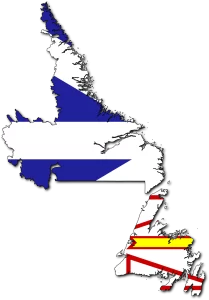
Newfoundland and Labrador is the easternmost province of Canada, comprising two distinct land masses: the island of Newfoundland and mainland Labrador, which borders Quebec to the south and west. The province is situated in the Atlantic region and has a vast coastline that is deeply indented with bays, fjords, and inlets.
- Newfoundland: The island portion of the province, located in the Gulf of St. Lawrence, is separated from Labrador by the Strait of Belle Isle and from Nova Scotia by the Cabot Strait.
- Labrador: The mainland portion of the province, larger in area than Newfoundland, shares a border with the Canadian province of Quebec to the west and south, and with the territory of Nunavut to the northwest.
The climate of Newfoundland and Labrador is primarily classified as subarctic in Labrador and maritime in Newfoundland, though there are variations across the province due to its diverse geography.
- Newfoundland: The island experiences a maritime climate characterized by cool summers and mild winters, heavily influenced by the Atlantic Ocean. The weather can be quite variable and is known for its humidity, fog, and sea breezes. Coastal areas, particularly in the east and north, often experience cooler temperatures and higher precipitation compared to inland areas.
- Labrador: The climate is generally more severe, with longer and colder winters and shorter, cooler summers. The interior and higher elevations can experience subarctic conditions, where temperatures can drop significantly below freezing in winter. Coastal Labrador, influenced by the Labrador Sea, sees milder temperatures but also experiences heavy snowfall and strong winds.
Best time to visit Newfoundland and Labrador
The best time to visit Newfoundland and Labrador depends on what you want to experience during your trip. Here’s a seasonal breakdown to help you decide:
Summer (June to August)
- Pros: Warmest months with the most daylight hours, ideal for hiking, sightseeing, and participating in outdoor activities.
- Wildlife: Peak season for whale watching and seabird viewing.
- Festivals: Many cultural events and festivals, including the Royal St. John’s Regatta and the Newfoundland and Labrador Folk Festival.
- Icebergs: Early summer (June) can still offer sightings of icebergs along the coast.
Fall (September to November)
- Pros: Cooler temperatures, fewer tourists, and beautiful autumn foliage, especially in wooded areas and national parks.
- Hunting and Fishing: Fall is a popular time for these activities, with proper licensing and adherence to regulations.
- Berry Picking: Late summer and early fall are great for berry picking, with local favorites like bakeapples (cloudberries), partridgeberries, and blueberries.
Winter (December to March)
- Pros: Ideal for winter sports enthusiasts who enjoy skiing, snowboarding, and snowmobiling.
- Northern Lights: Clear winter nights can provide opportunities to see the aurora borealis, especially in Labrador.
- Winter Festivals: Enjoy unique experiences like the Mummers Festival or winter carnivals.
Spring (April to May)
- Pros: The landscape begins to bloom, and there’s less tourist traffic.
- Icebergs: Late spring is the start of iceberg season, where these giants can be spotted drifting along Iceberg Alley.
- Bird Watching: Migratory birds return, making it an excellent time for birdwatching.
Tips for Visiting
- Weather Variability: Newfoundland and Labrador’s weather can be unpredictable, so pack layers regardless of the season.
- Book Accommodations Early: Especially if you’re planning to visit during peak tourist seasons in summer.
- Car Rentals: Consider renting a car for greater flexibility in exploring the province’s diverse regions.
In summary, the best time to visit Newfoundland and Labrador is typically in the summer when the weather is warmest and the full range of tourist services and attractions are available. However, each season offers its own unique set of attractions and activities.
Travel to Newfoundland and Labrador
Getting to Newfoundland and Labrador can be an adventure in itself, given the province’s unique location on the eastern edge of Canada. Here are the main ways to reach this scenic destination:
By Air
- St. John’s International Airport (YYT): The largest airport in the province, located in the capital city, St. John’s, on the island of Newfoundland.
- Gander International Airport (YQX): Another key entry point on the island, historically known as a refueling stop for transatlantic flights.
- Deer Lake Regional Airport (YDF): Serves the western part of Newfoundland and is convenient for visitors heading to Gros Morne National Park.
- Goose Bay Airport (YYR): Located in Happy Valley-Goose Bay, it is one of the primary airports in Labrador.
These airports offer direct and connecting flights from major Canadian cities and some international locations. During peak tourist season, there may be additional flight options.
By Sea
- Marine Atlantic Ferries: Operates year-round ferry services between North Sydney, Nova Scotia, and Port aux Basques in southwestern Newfoundland. During the summer months, there is also a ferry that runs from North Sydney to Argentia, which is closer to St. John’s.
- Labrador Marine Services: Provides ferry services between various points in Newfoundland and Labrador, including the route from St. Barbe on Newfoundland’s Great Northern Peninsula to Blanc Sablon in Quebec, which is near the border with Labrador.
By Road
Once you’ve arrived in Newfoundland by air or sea, you can explore the island via the Trans-Canada Highway, which stretches from the west coast to St. John’s in the east. In Labrador, the road network is more limited, but the Trans-Labrador Highway allows travel between major communities and to and from Quebec.
By Rail
There are no passenger train services in Newfoundland and Labrador.
Tips for Travelers
- Plan Ahead: Especially if traveling by ferry, as reservations are recommended during the busy summer months.
- Car Rentals: Renting a car is highly recommended for getting around, particularly in more remote areas where public transportation options are limited.
- Weather Considerations: Always check the weather forecasts and be prepared for changes, especially when taking ferries, as services can be affected by adverse weather conditions.
Whether you’re flying into one of the province’s airports, taking a scenic ferry ride across the Gulf of St. Lawrence, or driving through the picturesque landscapes, getting to Newfoundland and Labrador is part of the experience that makes visiting this ruggedly beautiful place so memorable.
Places to visit in Newfoundland and Labrador
- St. John’s
- Gros Morne National Park
- Twillingate
- Torngat Mountains National Park
- Dungeon Provincial Park
Important Information
Capital – St John’s
Largest City – St John’s
Territory – 405,212 km2
Population – 510,550
Time Zone – UTC-4 (Atlantic Time)