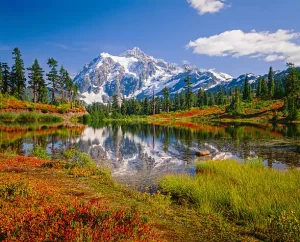
Located in the stunning Cascade Range of Washington State, North Cascades National Park is a paradise for outdoor enthusiasts, nature lovers, and anyone seeking an adventure in one of the most rugged and pristine environments in the United States. From snow-capped peaks to alpine lakes, dense forests, and wild rivers, the park offers diverse landscapes that attract hikers, climbers, wildlife watchers, and photographers. Here’s a comprehensive guide to help you plan your visit to this spectacular national park.
Essential Information About North Cascades National Park
- Location: North Cascades National Park is located in northwestern Washington State, about 120 miles (193 km) north of Seattle. It spans over 500,000 acres of mountainous terrain and features some of the most remote and untouched wilderness in the country.
- Climate: The climate in North Cascades varies significantly depending on the elevation. The lower elevations have mild, wet winters and dry, warm summers, while the higher elevations are cooler year-round, with snow possible even in summer. Visitors should prepare for unpredictable weather, especially in the mountains.
- Best Time to Visit: The best time to visit North Cascades National Park is from July to September when most roads and trails are open, and the weather is most favorable. Early summer and late fall can still offer great experiences for those who are prepared for cooler temperatures and snow.
Interesting Facts About North Cascades National Park
- Glacier Country: North Cascades is often called the “American Alps” due to its rugged terrain and the abundance of glaciers. There are more than 300 glaciers in the park, which is more than any other national park in the continental United States.
- Rich Biodiversity: The park’s diverse habitats, from lush rainforests to alpine meadows, support a variety of wildlife, including black bears, mountain goats, elk, and over 200 bird species.
- Historic Significance: North Cascades has been home to indigenous peoples for thousands of years, including the Nooksack and Swinomish tribes. European settlers arrived in the 19th century, and the area was designated a national park in 1968 to preserve its wilderness.
- Wildlife Conservation: The park plays a critical role in conserving rare species, such as the Canada lynx, and offers a habitat for migratory birds like the Bald Eagle.
How to Get to North Cascades National Park
With Car
The most common way to access North Cascades National Park is by car. The park is located along Highway 20, which runs east to west through the park, providing stunning views and access to key visitor areas.
- From Seattle: Take Interstate 5 North to Highway 20 East (about 2 to 2.5 hours driving). The highway offers scenic views of the North Cascades and leads directly into the park.
- From Vancouver, BC: If you’re coming from Canada, you can take Highway 99 South to Highway 20 East, crossing into the U.S. through Blaine and traveling south toward the park.
By Public Transportation
Public transportation options to the park are limited, but Greyhound and other regional bus services offer connections to nearby towns, such as Sedro-Woolley and Concrete. From these towns, you may need a taxi or shuttle service to reach the park itself.
By Air
The closest major airport is Seattle-Tacoma International Airport (SEA), about a 2-hour drive away. You can rent a car at the airport and drive to the park, or take a regional flight to Bellingham International Airport (BLI), which is closer to the northern entrance of the park.
Best Things to Do in North Cascades National Park
1. Hiking and Trekking
North Cascades offers a variety of hiking trails, ranging from short day hikes to multi-day backpacking trips. Some popular trails include:
- Cascade Pass and Sahale Arm Trail: This 12-mile trail offers breathtaking views of the Glacier Peak and Sahale Glacier. The hike takes you through wildflower meadows and offers panoramic vistas.
- Blue Lake Trail: A shorter, easier hike (4.4 miles round-trip) that leads to the stunning Blue Lake, with its clear waters framed by mountain peaks.
- Hidden Lake Trail: This 8-mile round-trip trail takes you through forests and meadows to the alpine Hidden Lake, known for its beauty and solitude.
2. Scenic Drives
One of the most scenic drives in the country, Highway 20 winds through the park and offers access to many overlooks, trailheads, and panoramic views of the Cascade Range. Drive carefully, as the road can be narrow and winding, especially during the spring melt.
3. Wildlife Viewing
The park is rich in wildlife, and visitors often spot animals such as black bears, deer, mountain goats, elk, and bald eagles. Head to Stehekin or Ross Lake for some of the best wildlife sightings.
4. Boating and Water Sports
Ross Lake is a beautiful, pristine reservoir perfect for kayaking, canoeing, and fishing. You can rent boats or bring your own. Lake Chelan and Diablo Lake are also popular spots for watersports and offer incredible views of the surrounding mountains.
5. Camping
For those looking to immerse themselves in the wilderness, camping is available at several locations, including:
- Glen Echo Campground: Located near the park’s western entrance, this campground offers a great base for exploring the northern part of the park.
- Mazama Campground: A more developed campground with amenities like showers, picnic tables, and access to hiking trails.
Best Accommodation in North Cascades National Park
1. The North Cascades Lodge at Stehekin
Located at the end of Lake Chelan, this lodge offers rustic accommodations in a peaceful setting. It’s a great choice for those looking for a remote and peaceful experience. You can only reach Stehekin by boat or plane.
2. Ross Lake Resort
Accessible by boat, Ross Lake Resort provides cozy cabins on the water, offering a unique opportunity to stay in a tranquil environment surrounded by nature.
3. Camping
The park offers both front-country camping (accessible by car) and backcountry camping for those seeking adventure. Glen Echo Campground and Mazama Campground are popular choices for visitors seeking a traditional camping experience.
4. Nearby Hotels
- Comfort Suites (Mount Vernon): Located about 45 minutes from the park, this hotel offers convenient access for those looking for more modern accommodations near the park.
- Best Western Plus (Sedro-Woolley): Another good option just south of the park.
Good Attractions in North Cascades National Park
- Diablo Lake: Known for its striking turquoise waters, Diablo Lake is a must-see attraction. There are several viewpoints along Highway 20 offering panoramic views of the lake and surrounding mountains.
- Lake Chelan: A stunning, 50-mile-long lake perfect for boating, fishing, and hiking. The lake is surrounded by mountains, making it one of the most scenic places in Washington.
- The Picket Range: A remote and rugged area of the park, the Picket Range offers challenging climbing and hiking opportunities for experienced adventurers.
Getting Around North Cascades National Park
- By Car: Highway 20 is the main road through the park and is the best way to explore by car. It provides access to many of the park’s highlights and trailheads.
- By Foot: The best way to explore the park’s wild beauty is on foot. Most visitors hike on one of the numerous trails that range from easy walks to challenging climbs.
- By Boat: Ross Lake and Lake Chelan are ideal for exploring by boat, with rentals available on-site.
Day Trips from North Cascades National Park
- Bellingham: About an hour’s drive from the park’s north entrance, Bellingham offers a charming small-town vibe with an artsy downtown, great restaurants, and easy access to nearby outdoor activities.
- Mount Vernon: Located just south of the park, Mount Vernon offers a charming downtown area, shopping, and dining, as well as scenic views of Mount Baker.
Practical Tips for Visiting North Cascades National Park
- Plan Ahead: The park is remote, so plan your trip carefully, including reserving camping spots or accommodations in advance.
- Bring Layers: Weather can change rapidly in the mountains, so pack for all seasons. Bring waterproof gear and layers, especially for higher elevations.
- Wildlife Safety: Keep a safe distance from wildlife and follow all park guidelines for bear safety.
- Cell Service: Cell service is limited in the park, so download maps and necessary information before arriving.
Conclusion
North Cascades National Park offers one of the most pristine and rugged landscapes in the United States. With towering mountains, crystal-clear lakes, and abundant wildlife, it’s the perfect destination for those who love outdoor adventures. Whether you’re hiking, kayaking, or simply soaking in the views, a visit to North Cascades is sure to leave you with unforgettable memories. Plan your trip today to experience the wild beauty of this Pacific Northwest treasure.