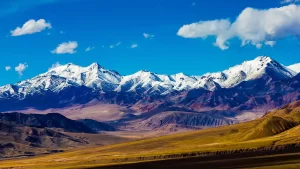
The Qilian Mountains in Gansu Province are one of China’s most stunning and serene mountain ranges. Known for their towering peaks, lush meadows, and pristine lakes, the Qilian Mountains offer travelers a perfect mix of natural beauty, outdoor activities, and cultural experiences. Whether you’re an avid hiker, a photography enthusiast, or someone looking for a tranquil getaway, this region is an ideal destination.
Essential Information
- Location: The Mountains stretch across both Gansu and Qinghai provinces in northwestern China. They serve as the natural boundary between the Qaidam Basin and the Loess Plateau, making them a significant geographical feature in the region.
- Climate: The Qilian Mountains have a highland continental climate, with cold winters and mild, temperate summers. Due to the elevation, the temperature can fluctuate significantly. The best time to visit is during the summer months (June to August) when the weather is pleasant for outdoor activities and hiking.
- Language: Mandarin is widely spoken in the region. However, some ethnic groups, including Tibetan and Hui people, also speak their own languages.
- Currency: The currency used is Chinese Yuan (CNY). ATMs are available in major cities, but it’s advisable to carry cash for rural areas and small towns.
Interesting Facts About the Qilian Mountains
- The “Himalayas of the East”: The Qilian Mountains are sometimes referred to as the “Himalayas of the East” due to their breathtaking beauty and towering peaks. The range stretches about 1,000 kilometers and is home to some of China’s most dramatic landscapes.
- Biodiversity: Despite their rugged terrain, the Qilian Mountains are a sanctuary for diverse wildlife. The region is home to the Qilian Mountains Wild Camel, the Tibetan antelope, and the snow leopard, among other rare species.
- Cultural Significance: The mountains are rich in Tibetan and Han cultural heritage. The Tibetan Buddhist influence is evident in several monasteries and temples scattered across the region.
- Nature Reserves: The Qilian Mountains National Nature Reserve protects the area’s rare flora and fauna, making it a haven for nature lovers and environmentalists.
How to Get There
By Air
The nearest airport to the Mountains is Zhangye Ganzhou Airport (YZY), which is about a 3-hour drive from the mountains. Zhangye has domestic flights connecting it to major cities like Xi’an, Lanzhou, and Beijing. From the airport, you can take a taxi or rent a car to reach the mountain range.
By Train
You can also take a train to Zhangye Railway Station, which has high-speed rail connections to cities like Lanzhou, Xi’an, and Beijing. From the train station, taxis or local buses can take you to the Qilian Mountains.
With Bus
Long-distance buses to Zhangye and other cities near the Mountains operate from major hubs like Lanzhou. Once you arrive in Zhangye or nearby towns, you can take local buses or taxis to the mountains.
By Car
Renting a car is one of the best ways to explore the Qilian Mountains, as it gives you the flexibility to visit remote areas and scenic spots at your own pace. The drive from Zhangye to the Qilian Mountains offers scenic views of the surrounding landscape.
Best Things to Do in the Qilian Mountains
1. Hike the Scenic Trails
The Mountains offer a variety of hiking routes, from easy walks to challenging mountain treks. Popular trails include routes around the Qilian Mountains National Nature Reserve, where you can explore alpine meadows, glaciers, and crystal-clear lakes. The Xiahe Plateau offers sweeping views of the mountains and is a great spot for hiking and photography.
2. Visit the Qilian Mountains National Nature Reserve
This nature reserve is a must-see for anyone interested in the wildlife and ecosystems of the Qilian Mountains. You can observe rare species like the wild Bactrian camel and Tibetan antelope in their natural habitat. The reserve is also known for its scenic valleys, rivers, and alpine meadows.
3. Explore the Hoh Xil Nature Reserve
Located near the northern part of the Qilian Mountains, Hoh Xil Nature Reserve is a UNESCO World Heritage site and home to a large population of wild animals, including the Tibetan wild ass. Hoh Xil is an excellent destination for wildlife viewing, hiking, and photography.
4. Visit Tibetan Buddhist Monasteries
The Qilian Mountains region is rich in Tibetan Buddhist culture, and you can visit ancient monasteries like the Sangke Monastery and Labrang Monastery to experience Tibetan religious practices, culture, and architecture. The monasteries are set against stunning backdrops of snow-capped peaks and green valleys.
5. Photography at the Qilian Rainbow Hills
The Qilian Rainbow Hills are a spectacular natural wonder with colorful rock formations. These vibrant hills are a photographer’s dream, especially during sunrise and sunset when the colors come to life. Make sure to have your camera ready to capture the stunning views.
Best Accommodation Near the Qilian Mountains
Luxury Accommodation
- Zhangye Grand Hotel: A luxury hotel located in the city of Zhangye, offering modern amenities and a comfortable stay. It is well-connected to the Qilian Mountains, making it an ideal base for your visit.
- Xiahe Hotel: A high-end hotel in Xiahe, near the Qilian Mountains, offering modern accommodations and excellent service. The hotel is close to Tibetan monasteries and cultural attractions.
Mid-Range Accommodation
- Qilian Mountain Resort: This mid-range resort is located in a scenic area close to the mountains and offers cozy rooms, great dining options, and stunning views. It’s perfect for travelers who want comfort and access to nature.
- Gansu Qilian National Park Hotel: Located near the entrance to the Qilian Mountains National Nature Reserve, this hotel offers great value for money with clean rooms and easy access to hiking trails.
Budget Accommodation
- Guesthouses and Homestays: For budget travelers, several guesthouses and homestays are available in Zhangye and Xiahe. These options offer a more authentic experience and a chance to interact with locals.
Other Attractions Near the Qilian Mountains
1. Mati Temple (Horse Hoof Temple)
Located on the edge of the Qilian Mountains, Mati Temple is a Buddhist complex with unique cliffside temples, caves, and statues. It is an important pilgrimage site for Tibetan Buddhists and offers stunning views of the surrounding landscape.
2. Zhangye Danxia National Geological Park
Just a short drive from the Mountains, Zhangye Danxia is known for its colorful, layered rock formations. This UNESCO World Heritage tentative site is a must-see for its vibrant landscapes, which resemble a painter’s palette.
3. Jiayuguan Fortress
Located to the north of the Mountains, Jiayuguan Fortress is an important historical site and the westernmost point of the Great Wall of China. The fortress offers incredible views of the surrounding desert and mountains.
Getting Around
- Private Tours: A private tour is a great way to explore the Qilian Mountains. Many tour operators offer guided trips that include transportation, a guide, and visits to key attractions.
- Taxis and Local Buses: Taxis are available in Zhangye, Xiahe, and other nearby towns. For more remote areas, you can rent a car or take a bus to major tourist spots.
- Walking and Hiking: The best way to explore the Qilian Mountains is on foot. Hiking offers a deeper connection to the landscape and wildlife. Ensure you are physically prepared for the altitude and terrain.
Day Trips from the Qilian Mountains
1. Zhangye Danxia National Geological Park
A day trip to the Zhangye Danxia National Geological Park is highly recommended if you’re near the Mountains. The colorful rock formations here are unlike anything you’ll see elsewhere and offer excellent photo opportunities.
2. Jiayuguan and the Great Wall
Jiayuguan Fortress and the Great Wall are only a short drive from the Qilian Mountains. A visit here offers a glimpse into China’s ancient military history and provides sweeping views of the surrounding desert landscapes.
Practical Tips for Visiting the Qilian Mountains
- Altitude: The Mountains are at a high elevation, so visitors may experience altitude sickness. Drink plenty of water and take it easy during your first few days.
- Pack Smart: Bring layers of clothing as temperatures can change quickly. Even in summer, evenings can be chilly in the mountains.
- Sunscreen: Due to the high altitude and clear skies, the sun can be intense. Apply sunscreen regularly and wear a hat and sunglasses.
- Respect Local Culture: The region is home to Tibetan communities, so be respectful of local customs and traditions. If you plan to visit monasteries, dress modestly.
Conclusion
The Qilian Mountains offer one of China’s most breathtaking landscapes, combining snow-capped peaks, colorful rock formations, and diverse wildlife. Whether you’re exploring the pristine wilderness of the Qilian Mountains National Nature Reserve, hiking along scenic trails, or immersing yourself in Tibetan culture, this region promises a memorable experience. With a range of activities, accommodation options, and nearby attractions, the Mountains are an ideal destination for nature lovers, history buffs, and adventure seekers.