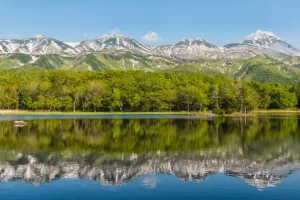
Shiretoko National Park, located on the northern tip of Hokkaido, Japan, is one of the most pristine and untouched natural areas in the country. Designated as a UNESCO World Heritage Site, this remote park offers visitors an unparalleled experience of wildlife, dramatic landscapes, and outdoor adventures. Whether you’re a nature enthusiast, a photographer, or someone looking for a quiet retreat, Shiretoko is a destination that promises awe-inspiring views and unique encounters with nature.
Essential Information
- Location: Shiretoko National Park is located in the far northeastern corner of Hokkaido, Japan, primarily covering the Shiretoko Peninsula. The park is surrounded by the Sea of Okhotsk, making it a rare and pristine spot for wildlife and nature enthusiasts.
- Best Time to Visit: The best time to visit Shiretoko is from late spring to early autumn (May to October), when hiking trails are accessible, the weather is mild, and the wildlife is abundant. Winter (December to February) is a quieter period, but snowshoeing, winter wildlife tours, and scenic snow landscapes are perfect for those looking for a more peaceful experience.
- Climate: Shiretoko has a subarctic climate, meaning cold winters with heavy snow and cool summers. In winter, temperatures can drop below freezing, while summer temperatures average around 15-25°C (59-77°F).
Interesting Facts About Shiretoko National Park
- UNESCO World Heritage Site: Shiretoko was designated as a UNESCO World Heritage Site in 2005 due to its rich biodiversity and untouched ecosystems. It’s one of Japan’s most ecologically significant parks.
- Wildlife Haven: The park is home to a diverse array of animals, including brown bears, red foxes, deer, and various bird species. It’s a prime location for wildlife watching, especially in the summer months.
- Shiretoko Five Lakes: The park is famous for its stunning Shiretoko Five Lakes (Shiretoko Goko), a series of pristine lakes surrounded by dense forests and beautiful mountains. These lakes are some of the most photographed spots in the region.
- Ainu Culture: Shiretoko is located on the traditional land of the Ainu people, Japan’s indigenous group. The region has a rich cultural heritage that visitors can explore at various local cultural sites.
- Shiretoko Pass: The Shiretoko Pass, which connects the eastern and western parts of the peninsula, is famous for its spectacular views and is a prime hiking route.
How to Get There
- By Plane: The nearest airport to Shiretoko is Memanbetsu Airport (MMB), about 2 hours by car from the park. Memanbetsu has domestic flights from major cities like Sapporo and Tokyo. Alternatively, you can fly into New Chitose Airport (CTS) in Sapporo and take a bus or train to Shiretoko.
- By Train: From Sapporo, you can take a train to Abashiri Station on the JR Sekihoku Line. From Abashiri, take a bus or taxi to the Shiretoko area (about an hour’s drive). While the train journey is scenic, it can be time-consuming, so many visitors prefer to rent a car.
- By Car: Renting a car is one of the best ways to explore Shiretoko National Park. The drive from Abashiri to the park takes about an hour, and having a car gives you flexibility in visiting remote spots, especially in more rural areas.
Best Things to Do
- Wildlife Watching: Shiretoko is one of Japan’s top locations for wildlife sightings. You can spot brown bears, red foxes, Hokkaido deer, and a variety of seabirds. A guided bear-watching tour is a must for those seeking a unique experience.
- Shiretoko Five Lakes: Hike around the stunning Shiretoko Five Lakes, a series of interconnected lakes set against the backdrop of the majestic Shiretoko Mountains. This area is great for photography, wildlife viewing, and simply enjoying the peaceful surroundings.
- Cruise on the Sea of Okhotsk: One of the most popular activities in Shiretoko is taking a boat cruise along the coast. The cruise offers spectacular views of the rugged cliffs, waterfalls, and wildlife, including sea eagles, and sometimes whales and dolphins.
- Hiking: Shiretoko offers a variety of hiking trails, from easy walks to more challenging routes. Popular hikes include:
- Shiretoko Pass: For panoramic views of the peninsula, this trail offers a challenging but rewarding hike.
- Rausu Peak: A more advanced hike that leads to the summit, offering incredible views of the Sea of Okhotsk.
- Visit the Shiretoko Nature Center: The Shiretoko Nature Center is a great spot to learn about the local flora and fauna. The center provides helpful maps, exhibits, and educational programs about the region’s ecosystems.
- Onsen: Enjoy a relaxing soak in one of the region’s many onsens (hot springs). Many accommodations in the area offer onsen with views of the surrounding nature.
- Winter Sports: If visiting during winter, Shiretoko offers snowshoeing, cross-country skiing, and snowmobile tours, allowing visitors to explore the serene winter landscapes of the park.
Best Accommodation
- Rausu Town: Located on the eastern side of the Shiretoko Peninsula, Rausu is the gateway to the park. It offers a variety of accommodations, including ryokan (traditional inns) and hotels with stunning sea views. Many of these places have hot spring baths, making them perfect for relaxing after a day of exploration.
- Shiretoko Village: For a more immersive experience, stay in one of the cozy, secluded lodges or cabins in Shiretoko Village. These properties often offer close access to hiking trails and the Five Lakes area.
- Kushiro: If you’re looking for more options, Kushiro, about a 3-hour drive south of Shiretoko, offers larger hotels and resorts. You can base yourself here and take day trips into the park.
Good Attractions Around the Park
- Utoro Town: The gateway to the western part of Shiretoko, Utoro is a small fishing village known for its seafood, particularly fresh crabs. It’s also home to the Shiretoko Nature Center and the famous Shiretoko Goko.
- Rausu: On the eastern side of the park, Rausu is known for its great hiking trails and views of the Sea of Okhotsk. It’s also the best place to start a bear-watching tour.
- Shiretoko Goko (Five Lakes): The Shiretoko Five Lakes are a must-see natural wonder in the park. The boardwalk trail that connects the lakes is an easy way to take in the beauty of the area while keeping a safe distance from the wildlife.
- Shiretoko Peninsula Lighthouse: The lighthouse offers a great vantage point to see the surrounding seas and mountains. You can take a guided tour here for more insights into the history of the area.
Getting Around
- Public Transport: While buses connect major towns such as Abashiri and Rausu, the public transport system within the park is limited. You may need to rely on taxis or tours for getting to remote locations.
- Car Rental: Renting a car is highly recommended to explore Shiretoko at your own pace, as the park’s more remote areas and hiking spots can be difficult to access without a vehicle.
- Guided Tours: For wildlife tours, hiking, or boat cruises, booking a guided tour can help you make the most of your time and ensure safety while exploring the more rugged areas of the park.
Day Trips
- Abashiri: Explore the nearby town of Abashiri, known for its Abashiri Prison Museum, Abashiri Drift Ice Museum, and the scenic Lake Abashiri, especially in winter when the drift ice phenomenon is visible.
- Lake Kussharo: Located about 2.5 hours from Shiretoko, Lake Kussharo is known for its hot spring resorts and beautiful views, perfect for a relaxing day trip.
- Kushiro: A larger city south of Shiretoko, Kushiro offers more urban experiences, such as the Kushiro Marsh, and is a good option for those seeking a break from the wilderness.
Practical Tips
- Weather Preparedness: Shiretoko is known for its unpredictable weather, so be sure to bring waterproof clothing, sturdy footwear, and warm layers, especially if hiking or visiting in winter.
- Bear Safety: The park is home to brown bears, so take necessary precautions when hiking. Carry bear spray, make noise, and stay on marked trails.
- Cash: Many establishments in Shiretoko, especially in smaller towns, may not accept credit cards, so carry enough cash for purchases.
- Language: While many accommodations and tour guides speak basic English, learning a few Japanese phrases will help you interact more easily with locals.
Conclusion
Shiretoko National Park is a hidden gem, offering one of the most authentic wilderness experiences in Japan. With its rich wildlife, dramatic landscapes, and unique cultural heritage, the park provides something for every type of traveler. Whether you’re hiking through dense forests, cruising along the coast, or simply soaking in the beauty of this remote area, Shiretoko promises an unforgettable adventure into the heart of Japan’s natural wonders.