Essential Information
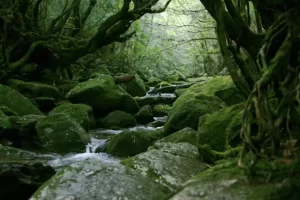
Yakushima National Park is a UNESCO World Heritage Site located on Yakushima Island, just south of Kyushu, Japan. The island is famous for its thousands-year-old cedar trees (Yakusugi), pristine waterfalls, and diverse ecosystems. With its untouched nature, rugged coastlines, and dense forests, Yakushima offers hiking, wildlife encounters, and serene retreats for nature lovers.
- Location: Yakushima Island, Kagoshima Prefecture, Japan
- Best Time to Visit:
- Spring (March–May) – Lush greenery and comfortable temperatures.
- Summer (June–August) – Warm weather, occasional typhoons, and sea turtle nesting season.
- Autumn (September–November) – Fewer crowds, beautiful fall foliage in the higher mountains.
- Winter (December–February) – Snow-covered peaks for a different experience.
Interesting Facts About Yakushima National Park
- Yakushima inspired the enchanted forests in Studio Ghibli’s “Princess Mononoke”.
- The island receives Japan’s highest rainfall, leading to lush vegetation and stunning waterfalls.
- Jōmon Sugi, one of the oldest trees in the world, is estimated to be over 2,000–7,000 years old.
- Yakushima has a unique ecosystem where subtropical and subarctic climates coexist, creating a biodiversity hotspot.
- The Loggerhead sea turtles nest on Yakushima’s beaches, making it one of Japan’s best places for turtle-watching.
How to Get to Yakushima National Park
From Tokyo
- By Plane (Fastest Option)
- Fly from Tokyo (Haneda) to Kagoshima Airport (~2 hours).
- Take a domestic flight from Kagoshima to Yakushima Airport (~30 minutes).
- By Train & Ferry
- Take the Shinkansen from Tokyo to Kagoshima (~7 hours).
- From Kagoshima, take a high-speed ferry (Toppy or Rocket, ~2 hours) or a slower overnight ferry (~4 hours) to Yakushima.
From Osaka & Kyoto
- Take the Shinkansen to Kagoshima-Chuo (~4 hours) and then follow the ferry or flight options.
Best Things to Do in Yakushima National Park
1. Hike to Jōmon Sugi – The Ancient Cedar Tree
- A must-do 10-hour round trip hike through an enchanted mossy forest.
- Witness Jōmon Sugi, one of the world’s oldest and largest trees.
- Pass Wilson’s Stump, a massive hollow tree with a heart-shaped opening.
2. Explore Shiratani Unsuikyō – The “Princess Mononoke” Forest
- An easier hike (~3 hours) through lush moss-covered landscapes and ancient cedars.
- Features Yakusugi (ancient cedars) and misty scenery, resembling Ghibli’s Mononoke Forest.
3. Visit Yakusugi Land
- A family-friendly nature park with various hiking trails (30 mins to 2 hours).
- Features massive 1,000-year-old cedar trees in a mystical forest setting.
4. Witness Oko no Taki – Yakushima’s Most Beautiful Waterfall
- One of Japan’s Top 100 Waterfalls, cascading 88 meters into a clear pool.
- Easily accessible by car or tour.
5. Relax in Hirauchi Kaichu Onsen – A Natural Ocean Hot Spring
- A natural seaside onsen only accessible during low tide.
- Enjoy warm geothermal waters while gazing at the Pacific Ocean.
6. Enjoy Nagata Inakahama Beach – Sea Turtle Haven
- One of Japan’s best places to see Loggerhead sea turtles nesting (May–August).
- A beautiful sandy beach perfect for relaxing and stargazing.
7. Drive the Yakushima Coastal Road
- A scenic loop road (100 km) around the island.
- See Yakushima’s wild macaques and deer, along with breathtaking ocean and forest views.
Best Accommodation Options
Luxury Stays
- Yakushima Iwasaki Hotel – A high-end resort with ocean views and natural hot springs.
- Sankara Hotel & Spa Yakushima – A luxurious retreat with eco-friendly villas and gourmet dining.
Mid-Range Hotels & Ryokans
- Yakushima Green Hotel – A comfortable stay with a seaside onsen.
- Tashiro Bekkan – A traditional ryokan with tatami rooms and local cuisine.
Budget Stays & Guesthouses
- Minshuku Iwakawa – A friendly family-run guesthouse near Miyanoura Port.
- Sudomari Minshuku Friend – An affordable stay with rental bikes and tour assistance.
Good Attractions Nearby
- Kusugawa Trail – A short but scenic alternative to the Jōmon Sugi hike.
- Yakushima Lighthouse (Cape Nagata) – A spectacular viewpoint overlooking the ocean.
- Anbo River Canoeing – A peaceful river experience through lush jungle scenery.
Getting Around Yakushima
- Rental Car – The best way to explore Yakushima, as public transport is limited.
- Buses – Local buses run along main attractions, but schedules are infrequent.
- Taxis – Available but expensive for long distances.
- Biking – Great for short distances but challenging on steep mountain roads.
Day Trips from Yakushima
1. Tanegashima Island – Japan’s Space Island
- Home to the Tanegashima Space Center, Japan’s largest rocket launch site.
- Offers beaches, caves, and samurai history.
2. Kuchinoerabu-jima – Active Volcanic Island
- Features an active volcano, hot springs, and untouched nature.
Practical Tips for Visiting Yakushima
- Pack for rain – Yakushima is known as the “Island of Rain”, so bring waterproof gear.
- Wear proper hiking shoes – Many trails can be muddy and slippery.
- Book accommodations early – Yakushima is popular among nature lovers and hikers.
- Cash is essential – Many small restaurants and guesthouses do not accept credit cards.
- Respect nature – Yakushima is a UNESCO site, so follow Leave No Trace principles.
- Be mindful of wildlife – Monkeys and deer are common near roads and trails.
- Check ferry and flight schedules – Weather can cause delays or cancellations, especially during typhoon season.
Conclusion
Yakushima National Park is a magical island paradise filled with ancient forests, towering waterfalls, and pristine beaches. Whether you’re hiking to Jōmon Sugi, soaking in an ocean onsen, or witnessing sea turtles hatch, Yakushima offers an unforgettable nature experience.
Start planning your Yakushima adventure today! 🌿🌊🗻