
Geographical position and Climate of Yukon
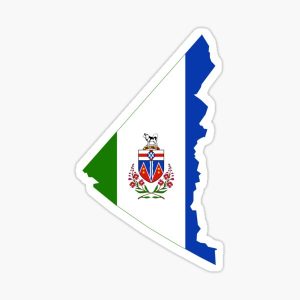
Yukon is one of Canada’s three federal territories, located in the northwestern corner of the country. It is bordered by:
- North: The Beaufort Sea (part of the Arctic Ocean)
- East: The Northwest Territories
- South: British Columbia
- West: The U.S. state of Alaska
The territory is known for its mountainous landscapes, vast wilderness areas, and sparse population. The majority of Yukon’s residents live in the capital city, Whitehorse.
Yukon’s climate is primarily subarctic, characterized by long, cold winters and short, warm summers. Yukon also experiences natural phenomena such as the midnight sun in the summer months and the aurora borealis during the winter and shoulder seasons.
Best time to visit Yukon
The best time to visit Yukon depends on the activities and experiences you’re seeking. Here’s a seasonal breakdown to help you plan your trip:
Summer (June to August)
- Midnight Sun: Enjoy long days with nearly 24 hours of daylight in some areas.
- Outdoor Activities: Hiking, canoeing, fishing, and wildlife viewing are at their best.
- Festivals: Participate in cultural events like the Dawson City Music Festival and the Adäka Cultural Festival.
Fall (September to October)
- Aurora Borealis: The Northern Lights start to become visible as the nights get longer.
- Fall Colors: Witness the stunning autumn foliage, particularly in late September.
Winter (November to March)
- Winter Sports: Ideal for snowshoeing, dog sledding, ice fishing, and snowmobiling.
- Aurora Viewing: Peak season for the Northern Lights with long, dark nights.
- Events: Experience unique events like the Yukon Quest sled dog race.
Spring (April to May)
- Shoulder Season: Fewer tourists and milder weather conditions.
- Ice Breakup: Watch the dramatic natural event of river ice breaking up, particularly on the Yukon River.
Note: Weather can be unpredictable, so it’s essential to check local forecasts and prepare accordingly. Also, some attractions and accommodations may have limited availability outside of the peak summer months.
Travel to Yukon
Yukon is a remote region with limited access points. Here are the primary ways to reach this northern Canadian territory:
By Air
- Main Airport: Erik Nielsen Whitehorse International Airport (YXY) in Whitehorse is the main gateway to Yukon by air.
- Airlines: Air Canada and Air North offer regular flights to Whitehorse from major Canadian cities such as Vancouver, Calgary, and Edmonton.
- Seasonal Flights: During the summer, there may be additional direct flights from other locations.
By Road
- Alaska Highway: The most popular route into Yukon by road is the Alaska Highway (Highway 1), which runs from British Columbia through Yukon to Alaska.
- Klondike Highway: Another option is the Klondike Highway (Highway 2), connecting Whitehorse with Dawson City and continuing to Alaska.
- Driving Conditions: Be prepared for long distances between services and variable road conditions, especially in winter.
With Bus
- Bus Services: There are bus services that run from British Columbia to Whitehorse, although options may be limited.
By Rail
- Train Services: While there are no direct train services into Yukon, the White Pass & Yukon Route offers scenic railway tours from Skagway, Alaska, to Carcross, Yukon, during the tourist season.
Tips for Travelers
- Plan Ahead: Book flights and accommodations well in advance, especially during peak tourist seasons.
- Remote Areas: Accessing remote areas often requires additional planning, including chartered air services.
- Weather Considerations: Always check weather conditions before traveling, as they can affect transportation schedules and road accessibility.
- Carry Supplies: When driving, carry extra supplies, including food, water, and emergency kits, due to long distances between services.
Places to visit in Yukon
Important Information
Capital – Whitehorse
Largest City – Whitehorse
Territory – 482,443 km2
Population – 40,232
Time Zone – UTC-7